What is Hypnotherapy?
Inside the academic knowledge, there are no disputes as to whether hypnotherapy exists or works. Science has not reached a consensus on the definition of hypnotherapy and the mechanisms behind this unique and mysterious technique. 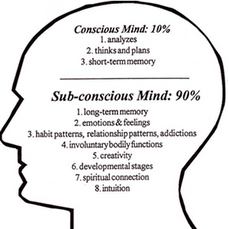 The British Society of Clinical and Experimental Hypnotherapy explains, “During the treatment session, this technique forces the individual to experience a feeling of profound relaxation. As a result of this deep relaxation, the conscious becomes limited and concentrated only on applicable recommendations and instructions proposed by the hypnotist.”
These instructions encourage individuals to perform helpful modifications in their minds. The era when hypnotic treatment involved waving watches or pendulums in front of patients’ eyes has ended. During a modern hypnotherapy procedure, the individuals being hypnotized are constantly in control, and the hypnotist provides some positive suggestions that the patient is happy to accept. A hypnotherapist simply assists the patients in facilitating their experience. Hypnotherapy is not about changing the patients’ minds. Contrary to this, it’s about empowering the patient to make changes in his subconscious.
All About Hypnotherapy
Opposed to common faith, hypnotherapy is not a form of sleep. The first phase of the hypnotic session involves placing the patient into a trance-like state; however, while in this condition, the individual becomes even more aware and focused, as they concentrate on the voice of the hypnotherapist and may not notice everything else happening around them. Hypnotic therapy blocks the patient’s conscious mind while simultaneously opening and activating the subconscious mind.
During a hypnotic therapy session, a practitioner can suggest instructions, perceptions, and lifestyle variations to the individual.
Clinical Hypnosis, or hypnotherapy, identifies the method of treating patients by placing them into a hypnotic trance condition. The purpose of hypnotherapy is to alter patterns of performance inside the brain centers, which enable unreasonable uncertainties, anxieties, and negative judgments. Relaxing and placing a patient into a trance-like condition normalizes their slower and superficial breathing and heart rate descent. Even metabolic processes’ level is dropping. Comparable deviations in the nerves reduce the severity of discomfort.
How does Hypnotherapy work?
We understand hypnotherapy as altering an individual’s mindfulness phase. As a result of this change, the analytical half of the brain, mainly the left hemisphere (99% of the time), switches off. At the same time, the emotional half of the brain is getting the highest level of activity. This results in a transition from the conscious mind to the unconscious mind, allowing the hypnotherapist’s instructions to access the subconscious archives of the brain directly. When these instructions settle in the archives, an individual uses them as a part of his mind. The newly accepted instructions become more natural for the individual than his conscious principles because they are stored in the subconscious segment of thoughts, which is located deeper in the brain tissues.
What form might the treatment take?
Before discussing the various types of hypnotherapy, we must clear up any patient misconceptions.
- Hypnotherapy does not assume the patient to be in a sleep state.
- A hypnotherapist is unable to force a patient to do anything against the patient’s will.
- A patient continues to be totally cognizant of surroundings.
- While in a trance, the patient loses attention to surroundings and becomes very focused on the hypnotist’s voice.
The main and most important thing is that the individual who arrived at the hypnotherapy clinic is willing to be hypnotized and to alter some developmental habits or obsessions. As a result, this individual becomes extremely inspired to do so. The person desires the hypnotherapy to help and in order to get the expected result, the patient establishes a decent clinical understanding with the hypnotist…
Depending on the patient’s emotional state and genetic type, the willingness of an individual to undergo hypnosis can vary significantly. This is one of the many reasons why hypnotherapy may require several meetings to attain significant effects.
Another reason for multiple sessions is that the goal of hypnotherapy is to create in the patient’s brain a synapse based on the hypnotist’s instructions. According to well-known scientific findings (Pavlov), the establishment of a synapse normally takes 21 days, and another 7–15 days are recommended for the synapses to stabilize. Because the average frequency of hypnotherapy sessions is “once a week,” the full treatment usually takes 6–7 procedures.
What medical conditions can hypnotherapy heal?
Numerous mental, emotional, and somatic conditions find benefit and functionality in hypnotherapy. This method helps to get rid of pain after surgical and dental procedures. Hypnotherapy also benefits OBGYNs by shortening the labor delivery phase and reducing the need for analgesics.
The medical conditions listed below represent just a small number of disorders for which hypnotherapy was a choice of therapy.
- Comfort those who are suffering due to disability.
- It provides emotional support to people who are facing terminal illnesses.
- Addictions:
o Alcohol
o Nicotine
o Drugs
o Sugar
o Bulimia
- Nocturnal Enuresis in children (bedwetting)
- Vaginismus
- Stammering
- Phobias
- Panic attacks
- Obsessional-compulsive behavior
- Insomnia
- Irritable bowel syndrome
- Excessive sweating
- Weight loss
Fox29 ranked Viva Healthy Life as the #1 Hypnotherapy Clinic in Philadelphia for two consecutive years. Viva Healthy Life, directed by Victor Tsan, MD, an internationally known clinical hypnotist and medical doctor with over 45 years of academic and clinical experience, is the best place for holistic treatment of all your medical problems.
To book an appointment for a comprehensive holistic evaluation, use the widget below.
You must be logged in to post a comment.