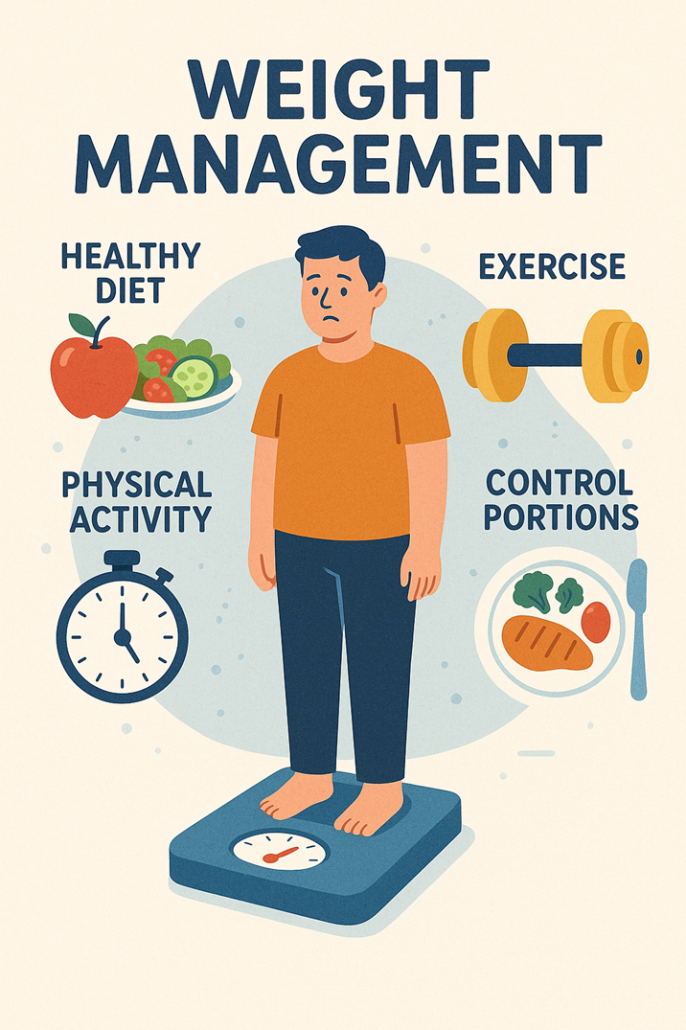
Weight Loss
Weight loss and weight management play a significant role in your overall health and well-being, influencing energy levels, disease risk, and confidence. When you explore weight management, understanding different methods—from diets and intermittent fasting to supplements and surgery—helps you make informed decisions tailored to your needs. Whether you prefer natural approaches like apple cider vinegar or professional support through clinics and doctors, knowing the available options empowers you to choose the safest and most effective path toward achieving your goals.

Key Takeaways:
- Weight loss is important for improving overall health and reducing the risk of chronic diseases such as diabetes, heart disease, and hypertension.
- Healthy weight management typically involves a balanced diet combined with regular physical activity rather than rapid or extreme methods.
- Various approaches to weight management include diet plans, intermittent fasting, the use of supplements or pills, and surgical options for more severe cases.
- Apple cider vinegar and intermittent fasting are popular natural methods some individuals use to support weight loss, but effectiveness varies per person.
- Professional support is available through weight management doctors and clinics, which can provide personalized programs tailored to individual health needs.
- Weight loss programs often incorporate behavioral changes, nutritional guidance, and exercise plans to promote sustainable results.
- Access to weight management aids and professional services depends on location, so searching for “weight loss doctors near me” or “weight loss clinic near me” can help find local options.
The Critical Role of Weight Loss in Health
Your body undergoes significant positive changes as you lose weight, especially when the methods emphasize healthy, sustainable practices. Reducing excess body fat lowers your risk of developing chronic conditions like type 2 diabetes, hypertension, and cardiovascular diseases. For example, studies show that losing just 5–10% of your body weight can improve insulin sensitivity and lower blood pressure, even if you already have health issues. Approaches such as intermittent fasting or a balanced weight management diet, which includes whole foods and controlled portions, can optimize metabolic function, helping you maintain these benefits long-term. Rapid weight loss methods, like certain weight loss pills or drastic dieting, may yield quick results but often come with risks that could undermine your overall health improvements.
Finding expert guidance can amplify your success and safety during weight loss. Weight management doctors near you and specialized weight management clinics provide tailored programs that accommodate your personal health profile, whether that includes medically supervised weight loss surgery or structured weight loss supplements. These resources support a healthy transition into lower body weight while monitoring critical markers to avoid nutrient deficiencies or rebound weight gain. Beyond physical health, these professional interventions often incorporate psychological support to address behavioral patterns, a key factor in sustaining your results over time.
Long-term Health Benefits Beyond Aesthetic Goals
Reducing your weight not only changes how you look but also profoundly impacts your longevity and quality of life. For instance, consistent weight management achieved through a structured weight management program has been linked to improved sleep apnea symptoms, enhanced joint health, and reduced inflammation throughout the body. Reducing inflammation can alleviate pain and strengthen your immune system, which often becomes compromised at elevated weight levels. Such evidence means that the positive effects of weight loss extend far beyond just physical appearance, influencing how well your organs and musculoskeletal system function daily.
Maintaining a healthy weight can also foster better energy levels and stamina, allowing you to engage more actively in exercise and social activities. Consider the ripple effect: weight management supports cardiovascular health, reducing the risk of heart attacks and strokes, while also promoting healthier cholesterol and triglyceride levels. These physiological improvements create a foundation for long-term vitality that sustains your independence and functionality even as you age.
The Psychological Impact of Achieving Weight Loss
Shedding excess weight often leads to marked improvements in your mental and emotional well-being. The sense of accomplishment after reaching weight management milestones boosts your self-esteem and confidence. Research highlights a strong association between weight loss and reductions in symptoms of depression and anxiety, which can occur independent of the physical changes. When you engage in weight loss methods such as intermittent fasting or adopt a new diet plan for weight management, these lifestyle shifts tend to foster a greater sense of control and motivation. These psychological benefits can reinforce healthy behaviors, helping you stay committed to your goals.
Beyond mood improvements, losing weight can reshape your social experiences. Feeling more comfortable in your body encourages greater participation in social activities and reduces the stigma that many people with obesity face. Enhanced social interaction then feeds back into improved mental health and a stronger support network, factors known to contribute positively to weight management and overall health.
Additional research into the psychological impact of weight loss reveals that sustained success can help recalibrate your relationship with food and body image. Weight management doctors near you or weight loss clinics often lead programs that include counseling to mitigate emotional eating and develop healthier coping mechanisms. This psychological resilience supports not just your current transformation but also safeguards you against future setbacks, reinforcing a holistic approach to health.
Proven Strategies for Effective Weight Loss
Achieving sustainable weight loss often involves a combination of evidence-based approaches tailored to your lifestyle and health profile. Rapid weight loss methods might seem appealing, but strategies focusing on gradual, steady progress tend to yield better long-term results and reduce the risk of muscle loss or nutritional deficiencies. Incorporating structured weight management programs that include professional guidance from weight loss doctors or clinics near you can provide personalized support, ensuring that your diet and exercise plans align with your unique needs. Additionally, when exploring supplements or weight loss pills, exercising caution and prioritizing clinically tested options can safeguard your health while supporting your goals.
Attention to dietary composition contributes significantly to your weight management success. Beyond calorie control, understanding the impact of meal timing, macronutrient balance, and the inclusion of satiety-promoting foods can enhance fat loss and maintain energy levels. Weight loss diets that avoid extreme restrictions and embrace variety and nutrition density help prevent common pitfalls such as metabolic slowdown or nutrient shortages. Complementing dietary measures with behavioral modifications—such as mindful eating and consistent tracking—further anchors your progress in realistic, manageable habits.
Diet Innovations: Intermittent Fasting and Beyond
The growing popularity of intermittent fasting (IF) reflects its versatility and substantial evidence supporting its effectiveness. Protocols like the 16:8 method, which involves fasting for 16 hours and eating within an 8-hour window, can improve insulin sensitivity and promote fat burning without severe calorie restriction. Studies have shown that IF schedules can reduce body fat percentage and visceral fat, particularly when combined with whole-food, nutrient-rich diets. You can also experiment with more flexible patterns such as alternate-day fasting or the 5:2 approach, where caloric intake is limited drastically on two non-consecutive days. However, the key lies in consistency and matching the fasting style to your daily routine to maintain adherence without excessive hunger or energy crashes.
Beyond intermittent fasting, other diet innovations such as time-restricted eating and personalized nutrition based on genetic or microbiome analyses are gaining traction. These approaches help optimize metabolic pathways and tailor dietary choices to your body’s unique responses. Investigating how specific supplements—like apple cider vinegar—might influence appetite control or glycemic response can complement your dietary plan. Incorporating these innovations with a balanced, nutrient-dense diet fortifies your weight loss efforts and supports overall wellness.
Integrating Physical Activity: Finding the Right Balance
Your exercise routine plays a pivotal role in amplifying weight management and preserving lean muscle mass. Combining aerobic activities like brisk walking, cycling, or swimming with strength training exercises effectively boosts your metabolic rate and increases fat oxidation. Research indicates that integrating 150 minutes of moderate-intensity cardio weekly with two sessions of resistance training can enhance body composition more than cardio alone. Tailoring the intensity and frequency of workouts to your current fitness level helps prevent injury and ensures sustainable progress.
Incorporating movement throughout the day, not just during dedicated exercise sessions, can significantly impact your energy expenditure. Simple habits like taking short walking breaks, using stairs, or incorporating active hobbies help counterbalance sedentary lifestyles. Wearable fitness trackers are valuable tools in monitoring daily activity levels and motivating you to gradually increase your physical movement, reinforcing consistency and commitment to your weight management journey.
Exploring various forms of exercise, from high-intensity interval training (HIIT) to yoga, allows you to engage different muscle groups and maintain interest, reducing the likelihood of burnout. Understanding your body’s signals and adjusting your activity accordingly ensures that you optimize recovery and avoid overtraining, which could hinder weight loss progress. Working with fitness professionals at nearby weight management clinics can provide tailored exercise plans aligned with your goals, medical history, and preferences, maximizing safety and effectiveness.
The Surge of Weight Loss Programs and Technologies
Weight management programs have experienced a significant evolution over the past decade, moving from traditional in-person plans to a diverse array of options that cater to different preferences and lifestyles. Programs now range from structured diet plans, like intermittent fasting or ketogenic diets, to specialized regimens incorporating supplements or weight loss pills. Many of these programs emphasize a combination of healthy, sustainable habits alongside rapid weight loss techniques for those seeking faster results. You may find that these programs often integrate support from weight management doctors or clinics near you, providing medical oversight to enhance safety and effectiveness.
The development of technology has also expanded how you engage with weight management plans. Advanced tools, including activity trackers, smart scales, and AI-powered coaching platforms, give more precise feedback and motivation. These technologies allow you to monitor progress in real time, adjust your calorie intake, or find targeted exercises based on your unique metabolic response. This integration of tech keeps you engaged while providing insights that traditional methods might overlook, making your weight loss journey more personalized and data-driven.
Evaluating Commercial Weight Management Programs
When choosing a commercial weight management program, it’s helpful to assess the scientific backing and long-term sustainability of the methods they promote. Programs like Weight Watchers or Jenny Craig have decades of research supporting their structured points-based or meal-delivery systems, which emphasize balanced nutrition and portion control. Conversely, some rapid weight loss programs focus heavily on jittery weight loss supplements or extreme calorie restrictions that may deliver quick results but pose risks or result in weight regain.
Look closely into how these programs address your specific needs. For example, if you want to try intermittent fasting for weight loss, check if a program offers guidance on schedules and nutrition to prevent nutrient deficiencies. Additionally, availability of professional support from weight management doctors or access to a clinic near you can elevate the safety and customization of your regimen. Commercial programs offering personalized counseling paired with medical supervision tend to yield better adherence and outcomes over time.
The Rise of Mobile Apps and Online Communities
Mobile apps have revolutionized how you manage weight loss, providing convenience and constant motivation at your fingertips. Apps like MyFitnessPal and Noom allow you to log food intake, monitor activity levels, and get tailored dietary suggestions based on your goals. Many incorporate psychological techniques such as cognitive behavioral therapy to address emotional eating, a key barrier to successful weight loss. These platforms also offer extensive recipe databases and integration with wearable devices, creating an all-in-one ecosystem for your health management.
Online weight management communities have become a powerful source of peer support, driving accountability and motivation. Platforms such as Reddit’s r/loseit or dedicated Facebook groups connect you with people facing similar challenges, fostering encouragement and shared tips. You can track progress together, exchange healthy recipes, or discuss strategies involving supplements, diet tweaks, or even experiences with weight loss surgery. Such communities can significantly reduce feelings of isolation during your journey and boost your resilience against setbacks.
Beyond apps and forums, some online communities offer expert-led webinars, personalized coaching, and digital weigh-ins, which emulate the structured environment of physical weight management clinics. These hybrid approaches blend technology with human interaction, delivering personalized feedback while maintaining flexibility. With the surge in telehealth, you might also find local weight management doctors near you providing virtual consultations, making professional guidance more accessible than ever before.
The Controversial Landscape of Weight Loss Aids
Weight loss aids encompass a broad spectrum of products and procedures that promise easier, faster results. From over-the-counter supplements to invasive surgical options, these methods often generate heated debate due to variable effectiveness and safety concerns. Rapid weight loss can seem appealing, but many aids lack substantial scientific backing or come with side effects that may outweigh their benefits. Understanding the nuances of each aid helps you make informed choices rather than chasing quick fixes that might jeopardize your health or lead to unsustainable results.
You’ll notice weight management programs often recommend a combination of diet, exercise, and sometimes supplements or medications tailored to individual needs. Clinics and doctors specializing in weight management are equipped to guide you through weighing risks and benefits, especially since not all aids suit every body type or medical history. Careful assessment, professional advice, and realistic expectations form the foundation of any weight loss journey involving these aids.
A Closer Look at Diet Pills and Supplements
Diet pills and supplements flood the market with promises of accelerated fat burning, appetite suppression, or metabolism boosts. Many of these products contain ingredients such as caffeine, green tea extract, or apple cider vinegar, which are thought to influence weight loss modestly. However, clinical trials often reveal mixed or minimal effects. Some supplements may even cause unwanted side effects such as digestive upset, increased heart rate, or insomnia. Regulatory oversight varies by country, so you may encounter products with unverified ingredients or exaggerated claims.

While some pills are prescribed by weight management doctors, particularly for individuals struggling with obesity-related health issues, purchasing over-the-counter options without expert guidance can be risky. Combining supplements with dietary changes, like intermittent fasting or a balanced weight loss diet, might provide marginal support but rarely replaces the need for consistent lifestyle modifications. You must approach diet pills as a potential adjunct rather than a standalone solution, consulting professionals about your specific condition.
Understanding Surgical Options: Are They Right for You?

Weight loss surgery offers an alternative when traditional efforts don’t yield sufficient results. Procedures such as gastric bypass, sleeve gastrectomy, or adjustable gastric banding physically restrict food intake or alter digestion to promote weight loss. Candidates usually meet strict criteria based on body mass index (BMI), existing health conditions, and previous attempts at weight control. These surgeries can produce significant and sustained weight reductions, sometimes exceeding 20–30% of total body weight within a year, and they often improve comorbidities like type 2 diabetes and hypertension.
Recovery from surgery involves lifestyle adjustments, including adopting new eating habits and nutrient supplementation to prevent deficiencies. While mortality rates are low, risks include infections, nutritional imbalances, and the chance of weight regain if behavioral changes lapse. Access to a weight management clinic near you with experienced surgeons and multidisciplinary support teams can influence outcomes. Consider that surgery requires a thorough understanding of both its potential benefits and demands on your daily life moving forward.
If you’re weighing surgical options, ask yourself how committed you are to lifelong dietary and activity modifications, as the procedure alone can’t guarantee permanent success. Consulting with weight management doctors near you can help clarify whether surgery fits your medical profile, lifestyle, and weight goals. Together, you can evaluate alternative weight loss programs or diets that might be effective before choosing a surgical path.
When self-managed weight loss strategies plateau or become overwhelming, turning to professional help can provide the structured support and medical oversight necessary to achieve your goals safely. Weight loss specialists offer tailored assessments that consider your medical history, lifestyle, and any underlying conditions affecting your metabolism or appetite. They can help differentiate between effective rapid weight loss methods—such as intermittent fasting or medically supervised diets—and approaches that may compromise your health. Additionally, these experts stay updated on the latest research regarding weight loss supplements, pills, and emerging diet trends, allowing them to guide you away from ineffective or risky products.
Beyond individual consultations, professional guidance includes access to weight management programs designed to maximize results through a combination of nutrition counseling, physical activity planning, and behavioral support. For those exploring more significant interventions like weight loss surgery, a specialist will coordinate pre-operative evaluations and post-operative care, ensuring a smoother recovery and better long-term outcomes. Clinics specializing in weight management also often provide multidisciplinary teams, including dietitians, psychologists, and exercise physiologists, creating a comprehensive environment tailored to your journey.
When to Consult a Weight Loss Specialist
You might consider consulting a weight management specialist if you have existing health conditions such as diabetes, hypertension, or thyroid disorders that complicate weight loss efforts. Specialists can conduct thorough evaluations to identify hormonal imbalances or metabolic issues that affect your weight, enabling treatments that address root causes rather than symptoms. Similarly, if your weight loss has stalled despite consistent efforts with diets like intermittent fasting or the inclusion of supplements such as apple cider vinegar, professional insight can help adjust your strategy more effectively.
Rapid weight loss attempts without supervision can lead to nutritional deficiencies or unsustainable habits. If you’re contemplating options such as weight loss pills or surgery, a specialist’s guidance ensures you understand the risks and benefits specific to your health profile. Those seeking clearer results and avoiding the trial-and-error approach often find that professional advice enhances both safety and efficiency in achieving and maintaining healthy weight loss.
The Value of Personalized Weight Loss Clinics
Personalized weight loss clinics specialize in customizing interventions based on your unique physiology and lifestyle. Unlike generic diet plans or over-the-counter supplements, these clinics employ evidence-based methodologies, often utilizing detailed assessments such as body composition analysis, metabolic testing, and genetic screening. This granular level of personalization facilitates targeted meal plans, exercise regimens, and behavioral therapies designed to optimize fat loss while preserving lean muscle mass.
Many clinics integrate technology-driven monitoring tools, including wearable devices and mobile apps, to track your progress and adapt programs in real time. This dynamic approach reduces the risk of plateauing and enhances motivation by providing continuous feedback. Beyond the physical, clinics often address psychological aspects, recognizing that emotional support and cognitive behavioral strategies play a pivotal role in sustaining long-term weight management.
Personalized weight management clinics also frequently collaborate with nearby healthcare providers, allowing seamless referrals to weight loss doctors or specialists when more intensive treatments—like surgery or prescription medications—become necessary. Such coordinated care is especially beneficial if you’re managing complex health conditions concurrently with your weight management goals. This comprehensive model significantly improves the chance of not just shedding pounds but maintaining a healthier lifestyle for years to come.
Summing up
Presently, you have access to a wide range of options when it comes to achieving weight loss, each designed to suit different needs and lifestyles. Whether you prefer methods like intermittent fasting, adopting a balanced weight management diet, or exploring supplements and pills, it is important to choose an approach that aligns with your personal health goals and preferences. Rapid weight loss may be appealing, but sustainable, healthy weight loss will help you maintain results over time while supporting your overall well-being.
You also have the advantage of professional support through weight management clinics and doctors near you, who can offer tailored guidance based on your individual circumstances. From surgical interventions to specialized programs or natural remedies like apple cider vinegar, understanding the available options empowers you to make informed decisions. By combining knowledge, professional advice, and commitment, you can effectively manage your weight and enhance your quality of life.
FAQ

Q: Why is maintaining a healthy weight important for overall well-being?
A: Maintaining a healthy weight contributes to better cardiovascular health, improves mobility, reduces the risk of chronic diseases such as diabetes and hypertension, and enhances mental health and energy levels. A balanced weight supports bodily functions and increases longevity.
Q: What are some effective and sustainable methods for weight loss?
A: Effective and sustainable weight loss methods typically include a combination of a balanced diet, regular physical activity, adequate hydration, and sufficient sleep. Approaches like portion control, choosing nutrient-dense foods, and managing stress also support long-term success.
Q: Can rapid weight loss methods be harmful? What should be considered?
A: Rapid weight loss methods often result in muscle loss, nutritional deficiencies, and metabolic slowdown. It is important to approach weight management with techniques that promote gradual fat loss to preserve muscle and support overall health. Consulting a healthcare professional before starting any rapid weight loss program is advisable.
Q: How do weight loss programs and clinics assist individuals?
A: Weight loss programs and clinics offer personalized guidance, including tailored diet plans, exercise routines, medical evaluations, and behavioral support. They provide accountability and expert advice to help individuals achieve and maintain their weight management goals safely.
Q: What role do supplements and pills play in weight loss?
A: Weight loss supplements and pills can sometimes assist by boosting metabolism or reducing appetite, but their effectiveness varies and may come with side effects. Use them cautiously and as a complement to a healthy diet and exercise, not as a primary weight loss method.
Q: How does intermittent fasting contribute to weight loss?
A: Intermittent fasting involves cycling between periods of eating and fasting, which may help reduce overall calorie intake and improve metabolism. It can support fat loss and improve insulin sensitivity; however, it should be tailored to individual needs and medical conditions.
Q: When should someone consider weight loss surgery?
A: Weight loss surgery is generally considered for individuals with a body mass index (BMI) above 40, or above 35 with obesity-related health issues. It is a medical procedure aimed at significant and sustained weight reduction when other methods have not been effective and should be discussed thoroughly with medical professionals.
Weight Loss Programs in Philadelphia
If you are living in the City of Brotherly Love, Philadelphia Holistic Clinic could be your best choice for a healthy weight management program. At the clinic we use only natural approaches, such as acupuncture, homeopathy, hypnotherapy, etc. All treatments are provided by the licensed professional under the strict supervision of medical doctor Victor Tsan, who has more than 45 years of experience in conventional medicine and holistic treatments.
To schedule your initial appointment with Dr. Tsan and discuss the most effective and safe approaches, customized for you, contact us at (267) 403-3085 or use the widget below.
You must be logged in to post a comment.