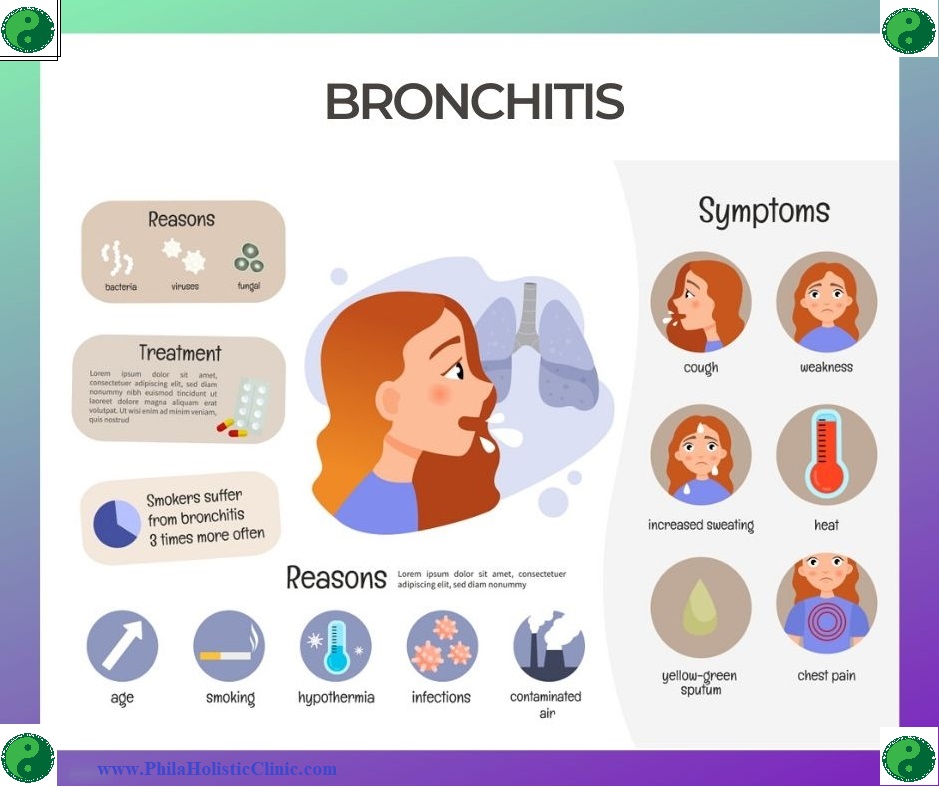
Bronchitis
Bronchitis often sneaks in disguised as a persistent cough, but its reach stretches far beyond. The acute phase typically lasts a few weeks and is frequently triggered by viral infections like the common cold or flu viruses. You might notice a dry cough at first that eventually turns productive, producing mucus that can be clear, yellow, or green. Fever, fatigue, and mild chest discomfort often tag along, signaling your body’s fight against infection.
Chronic bronchitis, by contrast, is a long-term condition defined by a cough that lasts for at least three months over two consecutive years. This subtype is tightly linked with smoking and prolonged exposure to lung irritants such as dust, chemical fumes, or air pollution. Unlike acute bronchitis, you may experience persistent mucus production, shortness of breath, and wheezing. The damage to your bronchial tubes in chronic bronchitis can significantly affect your quality of life.

Beyond Viruses: Other Causes You Should Know
While viral infections account for the majority of bronchitis cases, bacterial infections can occasionally play a role, especially in the acute phase of the disease. Exposure to environmental factors like smoke or chemical toxins can lead to cardiovascular bronchitis, where heart-related issues cause fluid to back up in the lungs and inflame the bronchi. Understanding these underlying causes can shift how you manage and approach treatment.
How to Distinguish Bronchitis from Other Respiratory Conditions
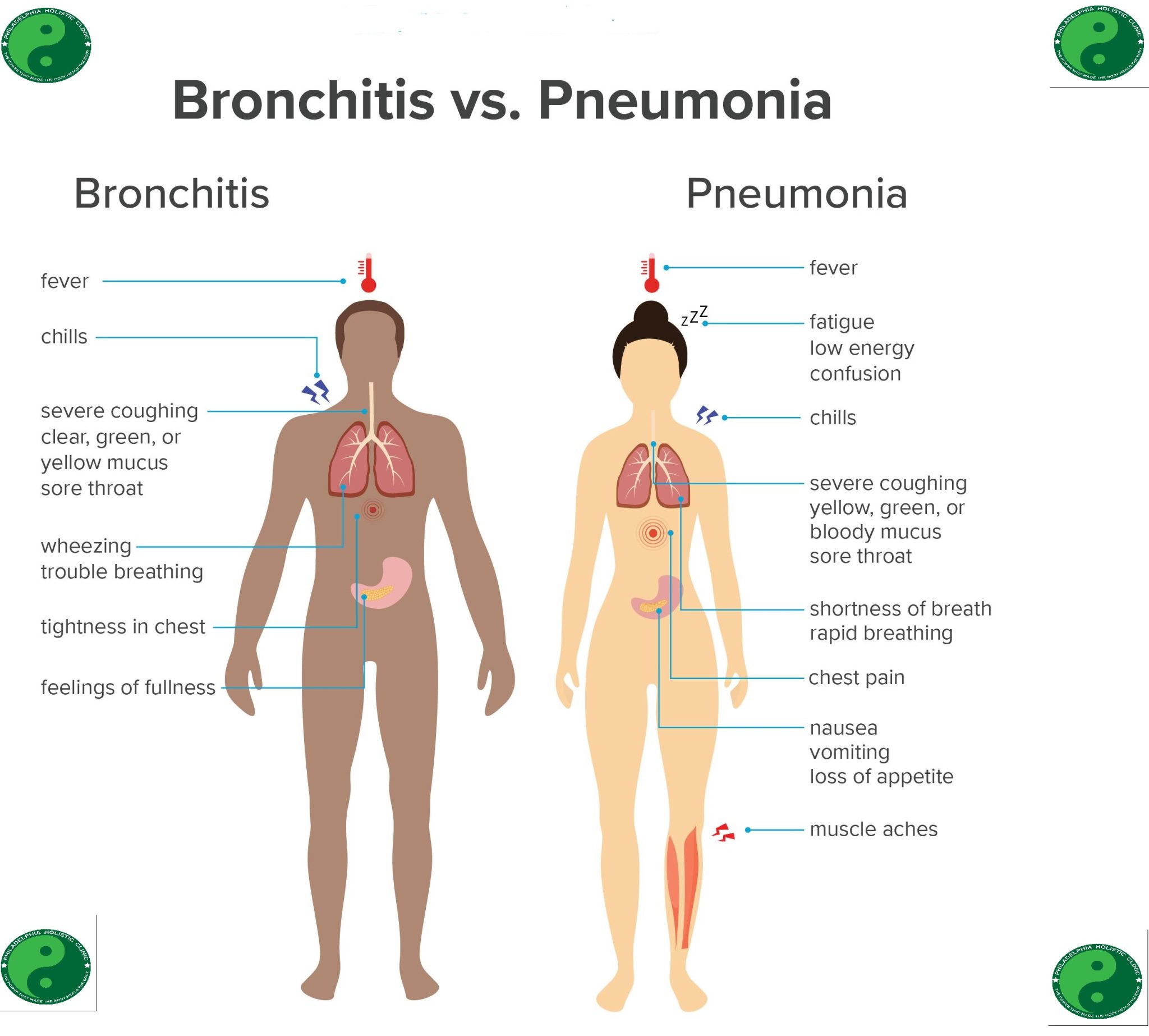
Cough accompanied by fever and chest pain can sometimes be mistaken for pneumonia, but pneumonia usually presents with more severe symptoms like high fever, chills, and localized chest pain. In contrast, bronchitis symptoms tend to be more diffuse and less severe. Chronic bronchitis can be confused with emphysema; however, emphysema primarily damages the air sacs of the lungs, leading to breathlessness, while chronic bronchitis mainly causes airway inflammation and mucus buildup.
The Invisible Impact: Contagiousness and Diagnosis
Acute bronchitis caused by viral infections is contagious, especially in the first few days of illness, which means your cough might spread germs to others. Chronic bronchitis, linked to long-term irritation rather than infection, is not contagious. Diagnosing bronchitis often involves a physical exam, evaluation of symptoms, and sometimes chest X-rays or sputum tests to rule out pneumonia or other conditions. Your healthcare provider may listen for wheezing or crackles in your lungs to assess inflammation.
Why Understanding Bronchitis Matters For Your Healing
Recognizing the type and cause of your bronchitis equips you with better tools to manage your symptoms and prevent complications. Whether it’s easing the viral inflammation with rest and fluids or addressing chronic irritation through smoking cessation and pollution avoidance, you hold significant power over your respiratory health. Comprehensive care often blends conventional treatments with holistic approaches like acupuncture or herbal remedies, aiming to support your lungs’ recovery beyond merely quieting the cough.
Key Takeaways:
- Bronchitis is the inflammation of the bronchial tubes, which carry air to and from the lungs, leading to coughing and mucus production.
- There are two main types: acute bronchitis, often caused by viral infections, and chronic bronchitis, typically associated with long-term irritation such as smoking.
- Common causes include viral infections, bacterial infections, smoking, air pollution, and exposure to irritants; while viral bronchitis is contagious, chronic bronchitis is not.
- Symptoms of acute bronchitis include persistent cough, mucus, fatigue, and shortness of breath; chronic bronchitis is characterized by a long-lasting cough with mucus and frequent respiratory infections.
- Bronchitis is diagnosed through medical history, physical examination, and sometimes chest X-rays or sputum tests to distinguish it from pneumonia or other lung conditions.
- Conventional treatment involves rest, fluids, cough suppressants, and in some cases, antibiotics or bronchodilators; chronic bronchitis may require ongoing management.
- Holistic approaches such as acupuncture, homeopathy, and natural herbs can complement treatment by easing symptoms and supporting respiratory health but should be used alongside medical advice.
The Divergence of Bronchitis Types: Acute vs. Chronic
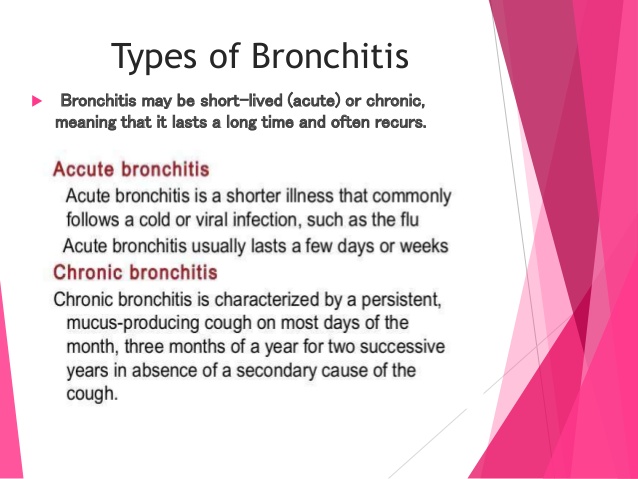
| Aspect | Acute Bronchitis |
|---|---|
| Duration | Typically lasts 1 to 3 weeks |
| Because | Mostly viral infections, occasionally bacterial |
| Contagious? | Yes, often contagious if viral |
| Symptoms | Sudden cough, mucus production, fatigue, mild fever |
| Treatment | Rest, hydration, antiviral or symptomatic care |
| Aspect | Chronic Bronchitis |
| Duration | Persistent cough lasting at least 3 months per year for 2 consecutive years |
| Because | Long-term irritation from smoking, pollutants, recurrent infections |
| Contagious? | No, not contagious but exacerbations can be caused by infections |
| Symptoms | Chronic productive cough, breathlessness, wheezing |
| Treatment | Smoking cessation, bronchodilators, steroids, pulmonary rehabilitation |
Acute Bronchitis: A Temporary Takedown
Acute bronchitis is what you likely picture when you hear bronchitis for the first time: a sudden onset of symptoms that shake up your respiratory system but gradually clear. Typically lasting a few weeks, this form often begins as a viral infection—commonly influenza or rhinovirus—that inflames the bronchial tubes lining your lungs. You might notice a persistent cough producing clear, yellow, or greenish mucus, accompanied by fatigue, a slight fever, and a scratchy or sore throat. Because of its viral nature, it highly resembles a severe cold or upper respiratory infection but targets the bronchial passages specifically.
Unlike bacterial infections requiring antibiotics, acute bronchitis generally resolves on its own with supportive care. This can include adequate hydration, rest, and over-the-counter remedies such as cough suppressants or pain relievers. However, one should be wary if symptoms worsen or persist beyond three weeks; such signs could suggest complications or progression toward chronic bronchial conditions. Acute bronchitis is often contagious, so limiting contact with others during the infectious phase is advisable to prevent spreading the illness.
The inflammation that characterizes acute bronchitis typically involves swelling of the bronchial mucosa, narrowing airway passages, and increasing mucus production. While distressing, your immune system usually combats these effects efficiently, allowing the bronchial lining to heal without lasting damage. Thou should try to avoid smoking or inhaling irritants during this vulnerable time to facilitate faster recovery and reduce symptom severity.
Chronic Bronchitis: The Long-Term Struggle
If your cough lingers for months, especially accompanied by mucus production, you may be dealing with chronic bronchitis—a form that is defined clinically by a productive cough lasting at least three months in two consecutive years. Unlike acute bronchitis that resolves quickly, chronic bronchitis represents ongoing inflammation and irritation of the bronchial tubes from repeated exposures to harmful agents. Smoking remains the leading cause, accounting for up to 90% of cases, but prolonged exposure to air pollutants, dust, and toxic fumes can also contribute significantly.
Persistent inflammation gradually thickens the bronchial walls and increases mucus secretion, compounding airway obstruction. You might notice worsening breathlessness, frequent respiratory infections, and fatigue that hamper daily activities. Treatment options focus heavily on managing symptoms and preventing flare-ups. Bronchodilators can open airways, corticosteroids reduce inflammation, and pulmonary rehabilitation improves breath control and overall lung function.
Warning signs often appear during cold seasons or after respiratory infections, when symptoms worsen in what is called an exacerbation. These episodes can be severe enough to require hospitalization, so managing chronic bronchitis demands diligent medical supervision and lifestyle adjustments, including eliminating smoking and avoiding environmental irritants. You may learn to recognize early signs of exacerbations in order to prevent more serious complications.
Further into chronic bronchitis’s course, complications such as respiratory failure or the overlap with emphysema may occur, collectively categorized under Chronic Obstructive Pulmonary Disease (COPD). This adds an additional layer of challenges that requires multidisciplinary interventions and often lifelong maintenance treatments.
Viral and Cardiovascular Factors in Bronchitis
Viral infections are the primary instigators in most cases of acute bronchitis, but they can also play a pivotal role in chronic bronchial conditions by triggering exacerbations. Viruses such as adenovirus, parainfluenza, and respiratory syncytial virus (RSV) can weaken the bronchial defenses, paving the way for secondary bacterial infections. Cardiovascular bronchitis, a less commonly discussed entity, refers to bronchial inflammation linked to heart conditions like congestive heart failure. In these cases, fluid accumulation and reduced cardiac output affect pulmonary circulation and can provoke bronchial irritation or congestion.
Recognizing viral involvement early can shape your treatment approach, emphasizing antiviral measures and supportive care. Cardiovascular bronchitis requires careful cardiac evaluation and management because treating the underlying heart disease often alleviates bronchial symptoms. Inflammation in cardiovascular bronchitis arises partly from pulmonary edema—the leakage of fluid into lung tissues—triggering cough and breathlessness similar to other bronchitis types.
Several factors influence the impact of viruses and cardiovascular status on bronchitis prognosis. For example, older adults or those with preexisting heart or lung conditions may experience more frequent or severe bronchitis episodes. Managing contributing factors like viral load, cardiac function, and immune status becomes important to reduce recurrence and improve quality of life.
- Viral infections intensify bronchial inflammation and increase mucus production.
- Cardiovascular issues can result in pulmonary congestion, exacerbating bronchitis symptoms.
- Secondary bacterial infections are common following viral bronchitis flare-ups.
- Compromised immunity increases susceptibility to both viral and cardiovascular-related bronchitis.
- Timely intervention targeting viral and cardiac causes improves respiratory outcomes.
Perceiving the intertwined nature of viral and cardiovascular influences helps you better understand bronchitis’s complexity and guides tailored treatment strategies.
Additional research indicates that addressing viral infections promptly, such as through vaccination and antiviral therapies, alongside managing cardiac conditions, reduces bronchitis morbidity. In cardiovascular bronchitis cases, diuretics and medications improving heart function can substantially relieve bronchial congestion. Maintaining optimal cardiovascular health thus indirectly benefits bronchial health and overall lung function.
- Seasonal flu vaccines reduce viral bronchitis incidence.
- Effective heart failure management lowers the risk of cardiovascular bronchitis.
- Monitoring viral outbreaks can help you prepare for bronchitis flare-ups.
- Early diagnosis of heart disease prevents secondary bronchial complications.
- Multidisciplinary care optimizes outcomes in mixed-cause bronchitis.
Perceiving these virus-heart-lung connections arms you with knowledge to address bronchitis from both respiratory and systemic perspectives.
Contagion Questions: Is Bronchitis Catching?
Understanding Transmission Risks
When you consider whether bronchitis is contagious, it largely depends on the type you have. Acute bronchitis, which is often viral in origin, tends to be contagious because it results from the same viruses that cause common colds or the flu. You can spread these viruses to others through coughing, sneezing, or close contact, especially within the first few days of symptoms. Viral bronchitis is the most common form that transmits between people, and because airborne droplets carry the virus, it’s easier to catch in crowded settings or during cold seasons.
Chronic bronchitis, on the other hand, is a longer-term condition typically caused by prolonged irritation of the bronchial tubes, such as smoking or exposure to environmental pollutants, rather than infection. This form itself isn’t contagious, but if someone with chronic bronchitis develops an acute viral infection on top of their condition, that viral episode can be spread to others. In that sense, the contagious element is tied to the acute infection, not to the chronic bronchial inflammation itself.
Understanding these distinctions helps you assess your risk and take appropriate precautions. If your bronchitis symptoms are due to a viral infection, standard preventive measures such as frequent hand washing, using tissues when you cough, wearing masks, and avoiding close contact with vulnerable individuals become important. This helps reduce transmission and protects those around you, especially young children, elderly adults, or people with weakened immune systems.
The Role of Environmental Factors
Environmental factors significantly influence not just the development of bronchitis but also its spread. Pollutants like cigarette smoke, industrial emissions, and airborne irritants can weaken your respiratory defenses, making you more susceptible to infections that cause bronchitis. For instance, living in urban areas with high air pollution levels often leads to higher incidences of chronic bronchitis, as constant exposure inflames the bronchial tubes and can exacerbate symptoms.
Seasonal and weather variations also affect bronchitis transmission and severity. Cooler, wetter months tend to increase the prevalence of viral infections that trigger acute bronchitis outbreaks. Closed indoor environments with poor ventilation during these times can facilitate the spread of contagious bronchitis-causing viruses. If you spend time in such environments, your risk of catching or spreading acute bronchitis rises noticeably.
Several environmental contributors influence bronchitis in ways you might not expect:
- Exposure to secondhand smoke notably increases your susceptibility to both acute and chronic forms.
- Indoor air pollutants like dust, mold, and chemical fumes can trigger bronchial irritation that mimics or worsens bronchitis symptoms.
- Workplace hazards such as inhaling asbestos, coal dust, or silica are linked to higher chronic bronchitis rates.
This exposure layering makes environmental awareness a key part of preventing and managing bronchitis.
Expanding on these environmental dynamics, irritants not only exacerbate existing bronchitis but also impair your body’s ability to clear pathogens efficiently. Chronic contact with harmful particles can lower ciliary function in your airways, impairing mucus clearance and promoting bacterial colonization. This creates a vicious cycle where infections become more frequent and recovery takes longer. Minimizing exposure through air purifiers, smoking cessation, and regular ventilation can markedly improve your lung health and reduce bronchitis risks.
Some other important environmental considerations include:
- Humidity levels influence mucus production and airway sensitivity, with both extremes posing challenges to those prone to bronchitis.
- Populations in regions with high pollen counts may encounter overlapping respiratory symptoms that complicate bronchitis diagnosis and treatment.
- Climate change factors are expected to alter infection patterns, potentially leading to longer or more severe bronchitis seasons in certain areas.
This evolving environmental landscape underscores the importance of staying informed and proactive about your respiratory exposure risks.
The Root Causes: What Fuels Bronchitis?
Common Triggers Behind Acute Cases
Acute bronchitis often springs from infections, with viruses being the most frequent offenders. Influenza viruses, respiratory syncytial virus (RSV), and rhinoviruses, which cause the common cold, can lead to the sudden inflammation you experience during acute bronchitis. When these viruses invade your bronchial tubes, they trigger an immune response resulting in swelling and increased mucus production. Bacterial infections, although less common, can also cause acute bronchitis, especially if your immune defenses are weakened or if the viral infection has damaged the airway linings. For instance, Bordetella pertussis, the bacterium responsible for whooping cough, can cause prolonged bouts of bronchitis-like symptoms.
Environmental exposures also play a significant role in igniting acute bronchitis. Breathing in irritating substances such as smoke, dust, chemical fumes, and air pollution can inflame your airway passages, even without an infection. People who work in construction, manufacturing, or in environments with heavy airborne irritants often experience sudden bronchial irritation that mimics infection-triggered bronchitis. Seasonal factors contribute as well; cold, dry air commonly worsens symptoms during winter months, creating favorable conditions for bronchial inflammation.
Even patterns of behavior can influence the onset of acute bronchitis. For example, smoking cigarettes not only increases your odds of chronic bronchitis but also predisposes you to acute flare-ups by impairing your lungs’ ability to clear infections. Additionally, poor hygiene, close contact with infected individuals, crowded living situations, and compromised immune systems (such as those experienced during stress or chronic illness) increase your risk of viral or bacterial infections leading to acute bronchitis episodes.
Chronic Bronchitis and Lifestyle Contributions
Chronic bronchitis emerges when your bronchial tubes suffer repetitive or long-lasting irritation that keeps them inflamed over months or years. Smoking cigarettes is the most recognized lifestyle factor linked to this condition. The toxins and chemicals in cigarette smoke damage the cilia—the tiny hair-like structures that sweep mucus out of your lungs—leading to mucus buildup, persistent coughing, and airway obstruction. According to the Centers for Disease Control and Prevention, around 75% of chronic bronchitis cases are directly related to tobacco use, which explains why quitting smoking becomes a cornerstone of managing and preventing this form of bronchitis.
Apart from smoking, prolonged exposure to occupational hazards increases your risk of chronic bronchitis. Jobs involving coal mining, textile manufacturing, and working with grain or metal dust expose your airways to persistent irritants. Over time, this leads to chronic inflammation and scarring that narrows your air passages, limiting airflow and promoting frequent respiratory infections. Studies have shown that even non-smokers in such environments exhibit higher rates of chronic bronchitis, underscoring the role workplace air quality plays in lung health.
Air pollution, especially in urban settings, also prolongs bronchial irritation, which compounds risks connected to lifestyle. Vehicle emissions, industrial pollutants, and indoor air contaminants like mold or secondhand smoke contribute significantly to chronic bronchitis prevalence. These irritants worsen symptoms and can trigger flare-ups, increasing hospitalizations and reducing quality of life. The interplay between environmental exposures and personal habits creates a complex backdrop for chronic bronchitis development.
Your lifestyle choices surrounding smoking habits, occupational environment, and exposure to pollution intertwine closely with chronic bronchitis progression. Addressing these factors by improving air quality, quitting tobacco, and using protective equipment can markedly reduce the burden of chronic bronchitis and improve long-term lung function.
Symptom Showcase: Recognizing the Signs of Bronchitis
Acute Bronchitis Symptoms Everyone Should Know
Acute bronchitis typically begins with a persistent cough that can linger for up to three weeks. The cough often produces clear, yellow, or green mucus, highlighting the involvement of your bronchial tubes’ inflammation. Alongside this, you might experience a mild fever accompanied by chills. The inflammation and irritation of the airways often lead to wheezing and shortness of breath, particularly when you exert yourself or breathe deeply. These respiratory symptoms mimic those of a common cold but tend to worsen over time.
You may also notice a scratchy or sore throat, sometimes paired with headaches and fatigue that sap your energy throughout the day. The discomfort in your chest, often described as a tightness or mild pain, tends to escalate with coughing fits, making breathing slightly more laborious. Some people report a sense of malaise and muscle aches, symptoms stemming from the viral or bacterial infection triggering the bronchial irritation.
In many cases, acute bronchitis develops after an upper respiratory infection, such as the flu or a cold. As your immune system responds, the bronchial lining swells and produces excess mucus, complicating airflow and causing persistent coughing. The cough you experience might worsen at night or early in the morning, making restful sleep challenging. While these symptoms generally improve on their own, any cough lasting beyond three weeks or accompanied by high fever, chest pain, or difficulty breathing should prompt a visit to your healthcare provider for further evaluation.
Identifying Symptoms of Chronic Bronchitis
Chronic bronchitis presents a different pattern, often developing over months or years, primarily affecting those exposed to irritants like cigarette smoke or occupational pollutants. If you find yourself coughing up mucus for at least three months in two consecutive years, this pattern signals chronic bronchitis. The hallmark of this condition is a productive cough that lingers throughout the day, accompanied by phlegm that can be yellow, gray, or even blood-tinged in advanced cases.
Alongside the persistent cough, shortness of breath becomes a more frequent and limiting symptom as your airways remain inflamed and thickened. Physical activities you once performed effortlessly, such as climbing stairs or walking briskly, may now leave you breathless. Wheezing is common, especially during flare-ups triggered by respiratory infections or exposure to irritants. You might also notice swelling in your ankles or feet, signs that chronic bronchitis can sometimes contribute to complications affecting your heart and circulation.
The fatigue you experience results not only from the chronic inflammation but also from reduced oxygen absorption due to excessive mucus in the airways. Chronic bronchitis often coexists with other lung conditions like emphysema, and together they fall under the umbrella of chronic obstructive pulmonary disease (COPD). This combination malfunctions lung capacity significantly, making the early recognition of these symptoms vital for managing quality of life and slowing disease progression.
Additional information can be gathered through spirometry tests, which assess lung function and help differentiate chronic bronchitis from other respiratory diseases. Recognizing these subtle yet persistent signs can lead to more timely interventions, improving your lung health and minimizing long-term complications.
Diagnostic Pathways: How Healthcare Professionals Identify Bronchitis
Medical Evaluations and Testing Techniques
When you present symptoms such as persistent cough, wheezing, or shortness of breath, your healthcare provider will begin the evaluation by taking a detailed history and conducting a physical examination. This initial step allows identification of common bronchitis indicators like audible wheezes or crackles in your lungs when examined with a stethoscope. The clinician will also inquire about the duration and nature of your cough, exposure to irritants such as tobacco smoke or pollutants, and any history of respiratory infections. These factors help differentiate acute bronchitis, typically of viral origin, from chronic bronchitis, which involves longer symptom duration and is usually tied to smoking or environmental exposures.
In many cases, especially if symptoms persist beyond a few weeks or worsen, doctors order diagnostic tests to gain better insight. A chest X-ray is often performed to rule out pneumonia or other lung pathologies presenting with similar symptoms. Pulmonary function tests (PFTs) may also be recommended to assess airflow obstruction, especially if chronic bronchitis or an underlying condition like COPD is suspected. These tests measure how well your lungs inhale and exhale air and can detect the degree of airway obstruction, helping to clarify whether you have bronchitis or a more complicated respiratory illness.
Additional laboratory tests might include sputum cultures to identify infectious agents if bacterial bronchitis is suspected, as well as complete blood counts to check for markers of infection or inflammation. In selected cases, further imaging with a CT scan can offer a detailed view of airway and lung tissue abnormalities that plain X-rays might miss. Together, these diagnostic techniques provide your healthcare team with crucial information to tailor treatment strategies effectively and monitor your response over time.
 and Emphysema
 and Emphysema
Bronchitis shares many symptoms with pneumonia, such as cough and difficulty breathing, but the underlying pathology and severity differ significantly. Pneumonia involves an infection of the lung tissue itself, not just the bronchial tubes, and often generates a high fever, chest pain, and more intense fatigue than bronchitis. Your doctor will carefully evaluate factors like the intensity of your symptoms, oxygen saturation levels, and imaging results to differentiate between these conditions. For instance, while bronchitis typically shows normal chest X-rays or mild bronchial wall thickening, pneumonia usually reveals distinct lung infiltrates or consolidation areas indicating infection in the alveoli.
Emphysema, on the other hand, is primarily a chronic condition characterized by destruction of the alveolar walls and is frequently categorized within chronic obstructive pulmonary disease (COPD). You might notice progressive shortness of breath and reduced exercise tolerance if emphysema is involved. Spirometry testing helps reveal the degree of airflow limitation present in emphysema versus the less severe or reversible airflow obstruction seen in bronchitis. Identifying emphysema is critical because it often requires a different long-term management approach focusing on lung preservation and symptom relief.
Another distinction arises with symptom duration and etiology. Acute bronchitis, commonly viral and short-lived, contrasts with the chronic and often smoking-related pathology seen in chronic bronchitis and emphysema. Signs such as a prolonged productive cough lasting over three months annually for at least two years suggest chronic bronchitis, whereas emphysema involves more structural damage resulting in decreased lung elasticity detectable via radiologic imaging. Accurate diagnosis between these overlapping conditions relies on combining symptom history, physical findings, pulmonary function assessments, and imaging results to develop a comprehensive clinical picture.
Awareness of the subtle clinical differences between bronchitis, pneumonia, and emphysema helps ensure that your treatment plan matches the specific cause of symptoms. This tailored diagnostic approach minimizes unnecessary antibiotic use in viral bronchitis, targets bacterial infections efficiently, and initiates timely intervention for chronic respiratory diseases, ultimately improving your respiratory health and quality of life. The collaboration between clinical assessment and targeted testing streamlines decision-making throughout your care journey.
Conventional Treatment Options: Strategies for Relief
Medical Interventions and Prescription Medications
If you are diagnosed with bronchitis, your healthcare provider might recommend several medications depending on whether your condition is acute or chronic. Acute bronchitis, usually caused by viral infections, often does not require antibiotics since these drugs target bacteria, not viruses. However, to alleviate symptoms, you may be prescribed cough suppressants to reduce persistent coughing that interferes with sleep or expectorants to loosen mucus and make it easier to expel. In some cases, bronchodilators can help open the airways, especially if wheezing or shortness of breath is present.
For chronic bronchitis, the approach typically involves managing long-term inflammation and preventing flare-ups. Inhaled corticosteroids and bronchodilators are commonly used to reduce airway swelling and improve lung function. If you experience bacterial infections on top of chronic inflammation, antibiotics might be prescribed to address these episodes. Oxygen therapy could be necessary for advanced cases where lung function is significantly compromised. Pulmonary rehabilitation programs may also be suggested, combining exercise, education, and breathing techniques to enhance daily living and reduce symptoms.
Alongside medications, your doctor may monitor lung function through spirometry tests and chest X-rays to evaluate disease progression and rule out other conditions like pneumonia. Avoidance of irritants such as tobacco smoke is often emphasized as part of medical management. While prescription medications offer symptom relief and inflammation control, they sometimes come with potential side effects, so ongoing communication with your healthcare provider is necessary to optimize your treatment plan.
Preventative Measures and Lifestyle Adjustments
Incorporating lifestyle changes can significantly influence the course and frequency of bronchitis episodes. Avoiding exposure to tobacco smoke, air pollutants, and chemical irritants plays a major role in preventing further airway damage and flare-ups. Using air purifiers at home can reduce airborne allergens and contaminants that may worsen symptoms. Proper hand hygiene and staying current with flu and pneumococcal vaccinations can lower your risk of contracting respiratory infections that often trigger bronchitis.
Managing underlying conditions like asthma or gastroesophageal reflux disease (GERD) also impacts bronchitis outcomes. For example, if you have asthma-related bronchitis, you can reduce bronchial inflammation by optimizing asthma control through inhalers and avoiding known triggers. Similarly, controlling GERD can prevent acid reflux from irritating the bronchial tubes. Nutritional support through a diet rich in antioxidants, vitamins C and E, and omega-3 fatty acids contributes to immune resilience and lung health.
Healthy habits such as regular physical activity and adequate hydration assist in maintaining respiratory function and thinning mucus secretions. Breathing exercises and practices like pursed-lip breathing help improve airflow and oxygen exchange. Coughing often disrupts sleep quality, but you can improve it by elevating your head during rest and using humidifiers to keep your airways moist. These simple adjustments collectively help reduce symptom severity and improve overall lung health.
Paying attention to your environment and daily routines offers further opportunities to avoid bronchitis triggers. Monitoring local air quality indexes, especially if you live in urban areas, can help you plan outdoor activities more safely. Washing bedding and curtains regularly reduces dust mite exposure that can inflame your airways, and minimizing indoor humidity levels discourages mold growth. Small changes like replacing harsh cleaning products with gentle, non-toxic alternatives may also contribute to healthier breathing surroundings, making your home a supportive space for recovery and prevention.
Holistic and Alternative Approaches: Finding Relief Beyond Medicine
Acupuncture: Balancing Breath and Health
Acupuncture offers a time-honored technique to ease bronchial inflammation by stimulating specific points along the body’s meridians. For bronchitis, particular attention is given to points on the lung and large intestine meridians, which are believed to enhance respiratory function and immune response. Research has shown that acupuncture can help reduce symptoms such as coughing, chest tightness, and difficulty breathing by promoting better airflow and decreasing mucus production. In clinical settings, patients often report a significant decrease in their coughing frequency and an overall improvement in their breathing ease after a series of acupuncture treatments.

By rebalancing your body’s qi (energy flow), acupuncture may modulate the immune system, which is especially beneficial if your bronchitis has a viral or inflammatory origin. Sessions typically involve the insertion of very fine needles in strategic areas like the collarbone, wrists, and back, which are closely linked to respiratory health. In addition to symptom relief, acupuncture can also diminish the side effects associated with conventional medications, making it a potential complementary therapy that addresses both your physical symptoms and your general well-being.
Clinical trials support acupuncture’s role in reducing airway inflammation, showing lower levels of cytokines involved in bronchial irritation after treatment. If your condition is chronic, regular acupuncture appointments might help maintain better lung function and reduce flare-ups. This method also encourages relaxation, which can soothe the nervous system and reduce stress-related exacerbations of bronchitis symptoms. When combined with conventional care, acupuncture might accelerate your recovery and boost resilience against future respiratory infections.
Homeopathy: Potent Remedies for Acute and Chronic Cases
Homeopathy approaches bronchitis by tailoring treatments to your specific symptoms, constitution, and disease progression. For acute bronchitis with sudden onset, remedies like Bryonia alba might be recommended if you experience a dry cough that worsens with movement, or Drosera for persistent spasmodic coughing spells that leave you breathless. In chronic bronchitis, where mucus production is constant and the cough is more productive, remedies such as Calcarea carbonica and Phosphorus come into play, addressing both underlying weakness and ongoing inflammation.
Individualized homeopathic treatments aim not just to suppress bronchitis symptoms but to stimulate your body’s natural healing capacity. Homeopathy focuses on minimizing side effects; since the remedies are highly diluted, the risk of adverse reactions is exceptionally low. Moreover, treating chronic bronchitis with homeopathy involves a comprehensive evaluation of your lifestyle, environmental exposures, and even emotional health to create a remedy combination that matches all facets of your condition. This personalized approach has helped many patients experience fewer recurrences and reduced dependence on conventional pharmaceuticals.
Clinical anecdotes and small-scale studies suggest that homeopathy can shorten the duration of acute bronchitis episodes and improve respiratory comfort over time in chronic cases. Consistency and patience are required; remedies often need several weeks of administration before full benefits are observed. While homeopathy should complement rather than replace standard treatments, it offers an appealing option for those seeking a gentler path to restore respiratory balance and resilience.
Increased interest in integrative health has led to growing research exploring the biochemical effects of homeopathic remedies. Some evidence points to immune modulation and anti-inflammatory activity triggered by these dilute substances, but larger, more rigorous clinical trials are needed. Meanwhile, if you consider homeopathy, consulting a qualified homeopath ensures that your treatment is customized and safely coordinated alongside any ongoing conventional therapies.
Natural Herbs: Nature’s Arsenal Against Bronchitis
Herbs have a long history in easing bronchitis symptoms, offering anti-inflammatory, expectorant, and antimicrobial properties. Herbs such as licorice root, mullein, and thyme are frequently used to soothe irritated bronchial tubes and loosen mucus. Licorice root contains glycyrrhizin, which reduces inflammation and has been shown to protect respiratory mucosa, making coughs less intense and helping you breathe easier. Mullein leaves act as a gentle expectorant, facilitating mucus clearance without irritating your throat further.
Thyme has demonstrated antibacterial and antiviral effects, particularly beneficial when bronchitis stems from infection. It’s imperative oils promote bronchodilation, widening airways to relieve congestion and wheezing. Combining thyme with honey, a natural demulcent, can provide symptomatic relief, while herbal teas infused with these plants offer hydration alongside medicinal benefits. Some clinical trials have noted thyme’s efficacy in reducing cough frequency and intensity, which can significantly improve quality of life during both acute and chronic phases.
Other herbs like ginger and turmeric bring added advantage through their potent anti-inflammatory compounds, potentially addressing the bronchial inflammation at the root. Ginger’s ability to boost circulation and ease bronchial spasms complements turmeric’s antioxidant capacity that may help regulate your immune response. Integrating these herbs into your diet or as supplements could reduce reliance on pharmaceutical expectorants. However, it’s wise to discuss any herbal regimen with your healthcare provider, especially if you have underlying conditions or are on medication.
Herbal medicine’s effectiveness often hinges on quality, dosage, and preparation method—things like tinctures, teas, or capsules can vary considerably in potency. Sustainable and scientifically guided approaches in herbal use for bronchitis are gaining momentum, with ongoing research clarifying optimal applications and safety profiles. When thoughtfully incorporated into your care, natural herbs might serve as valuable allies in managing the persistent discomfort and disruption bronchitis can bring.
Final Thoughts on Bronchitis: Embracing a Multi-Faceted Approach
Balancing Conventional and Holistic Treatments
Navigating bronchitis effectively means recognizing that no single treatment path fits every case. For acute bronchitis, which often resolves on its own within a couple of weeks, you benefit most from symptomatic relief—rest, hydration, and possibly over-the-counter medications to ease cough and fever. Yet, if symptoms persist or worsen, your healthcare provider might consider further interventions, especially to rule out pneumonia or other complications.
Chronic bronchitis demands a more sustained strategy. As a form of chronic obstructive pulmonary disease (COPD), it involves persistent airway inflammation, and treatments typically aim to reduce inflammation, manage mucus production, and improve breathing. Your doctor may recommend bronchodilators, corticosteroids, or pulmonary rehabilitation. Here, integrating holistic options such as acupuncture can assist in symptom management by improving circulation and reducing inflammation, as seen in some clinical trials where patients reported improved respiratory comfort.
The Role of Homeopathy and Herbal Remedies
While conventional medicine forms the backbone of bronchitis management, homeopathy and natural herbs often appeal to those seeking gentler, complementary options. Remedies like Bryonia and Hepar sulphuris calcareum have historically been used in homeopathy for acute and chronic bronchitis, focusing on reducing cough and supporting immune function. Scientific evidence is limited but suggests that some patients experience symptom relief when these are used adjunctively.
Natural herbs such as licorice root, thyme, and eucalyptus possess expectorant and anti-inflammatory properties. For example, thyme extract has shown antimicrobial effects and improved mucus clearance in some studies. Incorporating these herbs via teas or supplements can support your respiratory health, especially when coupled with medical treatments. Always share your use of herbal remedies with your healthcare provider to ensure safety and avoid interactions.
Understanding the Individual Nature of Bronchitis
Your bronchitis experience may differ vastly depending on the underlying cause—whether viral, bacterial, environmental, or even secondary to cardiovascular issues affecting lung function. Viral bronchitis, for instance, typically resolves without antibiotics, while bacterial infections might necessitate targeted antibiotic therapy. Differentiating bronchitis from pneumonia through chest X-rays and sputum analyses helps tailor treatment and avoid unnecessary medication.
Additionally, lifestyle factors significantly influence your recovery and prevention of recurrence. Smoking cessation is one of the most impactful actions you can take to reduce chronic bronchitis episodes and slow disease progression. Environmental controls, like avoiding pollutants and allergens, also play a key role. A multi-pronged approach—including medical treatment, holistic therapies, lifestyle change, and ongoing monitoring—provides the best chance for managing bronchitis effectively.
FAQ

Q: What is bronchitis and what are its main types?
A: Bronchitis is inflammation of the bronchial tubes, which carry air to and from the lungs. It primarily has two types: acute bronchitis, which is a short-term inflammation usually caused by viral infections, and chronic bronchitis, a long-term condition characterized by persistent cough and mucus production, often linked to smoking or prolonged exposure to irritants.
Q: What commonly causes bronchitis?
A: Acute bronchitis is often caused by viral infections such as the common cold or flu viruses. Chronic bronchitis results mainly from long-term exposure to irritants like tobacco smoke, air pollution, dust, or chemical fumes. Other causes can include bacterial infections and, in rare cases, cardiovascular conditions affecting lung function.
Q: Is bronchitis contagious?
A: Acute bronchitis caused by viral or bacterial infections can be contagious and spread through respiratory droplets when an infected person coughs or sneezes. Chronic bronchitis is generally not contagious, as it is related to long-term irritation rather than infection.
Q: How can bronchitis be differentiated from pneumonia?
A: Bronchitis mainly involves inflammation of the bronchial tubes and usually presents with cough and mucus production but without lung tissue infection. Pneumonia affects the lung tissue itself and typically causes symptoms like high fever, chest pain, and difficulty breathing. Diagnosis through chest X-rays and physical examination helps differentiate the two.
Q: What are the typical symptoms of acute and chronic bronchitis?
A: Acute bronchitis symptoms include a persistent cough, mucus production, fatigue, slight fever, and chest discomfort. Chronic bronchitis is characterized by a daily cough with mucus that lasts for at least three months over two consecutive years, along with frequent respiratory infections and shortness of breath.
Q: What conventional treatments are available for bronchitis?
A: Treatment for acute bronchitis often includes rest, increased fluid intake, cough suppressants, and sometimes inhalers. Antibiotics are rarely needed unless there is a bacterial infection. Chronic bronchitis treatment focuses on smoking cessation, bronchodilators, steroids, pulmonary rehabilitation, and oxygen therapy in severe cases.
Q: Are there holistic or natural treatments effective for bronchitis?
A: Holistic options like acupuncture and homeopathy may help alleviate symptoms and support respiratory health, although scientific evidence varies. Natural herbs such as licorice root, ginger, eucalyptus, and mullein leaf can provide soothing effects. Maintaining good hydration, humidified air, and proper nutrition also contribute to recovery alongside conventional treatments.
Holistic Treatments for Bronchitis in Philadelphia
Here at Viva Healthy Life, Dr. Tsan offers asthmatic patients homeopathic remedies for asthma using medium and high homeopathic dilutions. During the year 2024, the number of patients who underwent treatment in the center appeared to be over 100. 90% of them reported significant improvement as a result of treatment. 80% of patients that initially took steroid therapy were able to stop taking these hormonal drugs without any deterioration of their condition. Here at Viva Healthy Life, we use natural remedies for asthma manufactured by the German company Schwabe, French pharmaceutical giants Boiron and SBL, the Belgian homeopathic giant Unda, and the Italian pharmaceutical company Guna. These companies are known as the cleanest ecological producers of homeopathic medicines in the world.
If you are suffering from bronchitis and need professional help, use the widget below to schedule an initial free evaluation with Dr. Tsan
You must be logged in to post a comment.