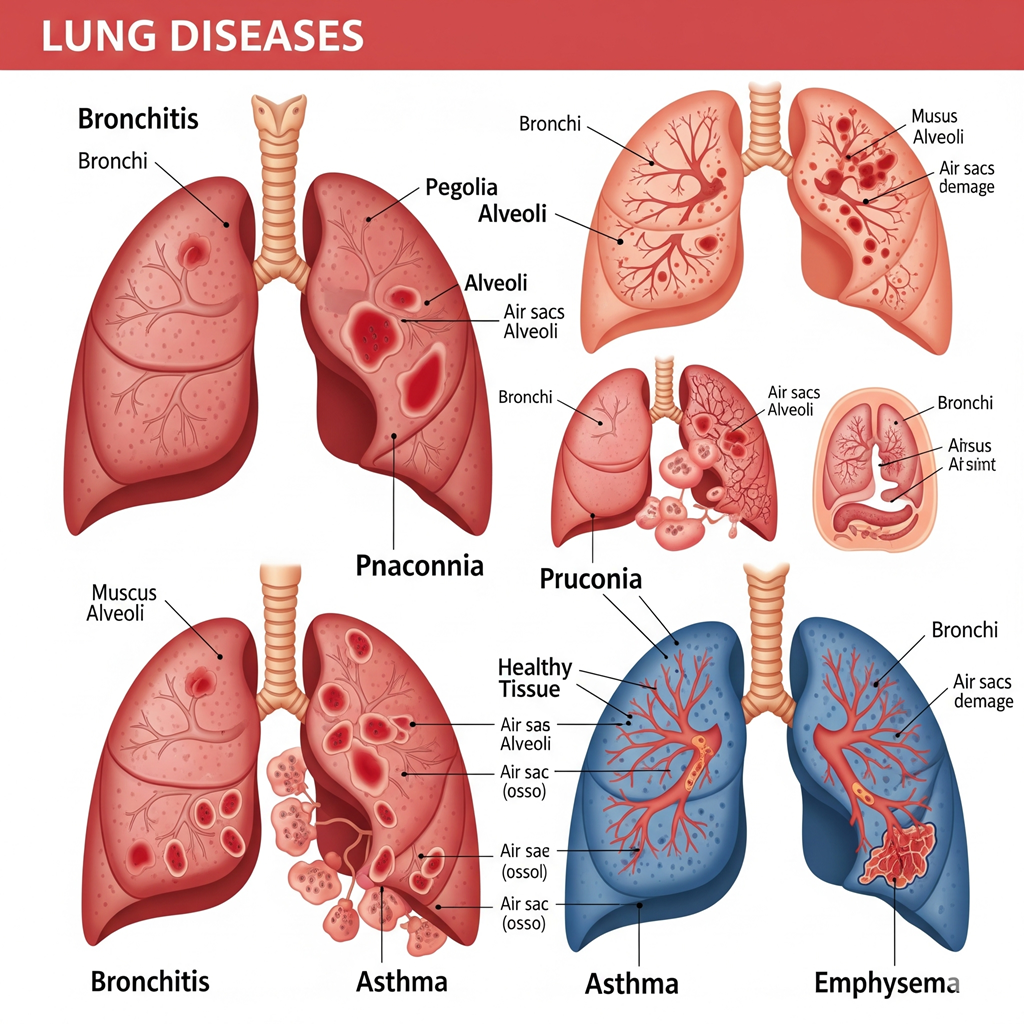
Lung Diseases
Over time, managing lung diseases requires a comprehensive approach that goes beyond conventional medicine. If you are dealing with conditions like interstitial lung disease, restrictive lung disease, or NTM lung disease, exploring holistic treatments can support your respiratory health. By integrating acupuncture, homeopathy, and herbal remedies into your care plan, you may enhance lung function and overall well-being. This blog will guide you through effective natural therapies, helping you make informed decisions to complement your existing treatments and improve your quality of life.

Key Takeaways:
- Holistic treatment for lung diseases often combines conventional medical care with complementary therapies to support overall lung health and improve quality of life.
- Acupuncture may help alleviate symptoms such as cough, breathlessness, and inflammation in various lung conditions by promoting better respiratory function and reducing stress.
- Homeopathy is used by some patients as a supportive approach for managing symptoms of chronic lung diseases like interstitial lung disease and restrictive lung disease, though scientific evidence remains limited.
- Herbal remedies, including plants with anti-inflammatory and antioxidant properties, are explored as complementary options to support lung function and reduce respiratory discomfort.
- Addressing lifestyle factors such as nutrition, exercise, and stress management can enhance the effectiveness of holistic treatments and support lung healing.
- Nontuberculous mycobacteria (NTM) lung disease might improve with a combined treatment that includes antibiotics and therapies to help strengthen the immune system and improve lung function.
- Close collaboration between healthcare providers and patients is important to develop personalized, safe, and effective holistic treatment plans for lung diseases.
Unpacking Interstitial Lung Disease: Holistic Perspectives
Defining Interstitial Lung Disease: Beyond the Basics
Interstitial Lung Disease (ILD) refers to a diverse group of lung disorders characterized by inflammation and scarring of the lung’s interstitium, the tissue surrounding the air sacs. Unlike more common lung diseases focused mainly on airway obstruction, ILD leads to progressive stiffness, making it harder for oxygen to pass into your bloodstream. You may notice symptoms like persistent dry cough and shortness of breath, which often worsen over time. The complexity lies in its many forms, ranging from idiopathic pulmonary fibrosis to conditions linked with autoimmune diseases or environmental exposures.
Diagnosis often requires high-resolution CT scans and sometimes lung biopsies to determine the exact subtype and extent of damage. While medical treatments like corticosteroids and antifibrotic agents help slow progression, symptoms can vary widely in severity. This variability means personalized strategies are necessary, encompassing physical, emotional, and environmental factors to support your lung health effectively.
Holistic Approaches: Integrating Mind, Body, and Spirit
Addressing ILD holistically involves combining conventional medical care with complementary therapies that enhance your overall well-being. Acupuncture has shown promise in improving respiratory symptoms by stimulating points that regulate lung function and reduce inflammation. You might find improvements in breathing ease and energy levels with regular sessions. Equally, herbal remedies such as licorice root and turmeric possess anti-inflammatory properties that can support lung tissue health when used under professional guidance.

Homeopathy offers individualized remedies aimed at balancing your immune response and relieving symptoms such as persistent cough and fatigue. Mind-body practices like yoga and meditation foster relaxation and improve respiratory muscle strength, which can be particularly beneficial in managing the restrictive breathing patterns typical of ILD. Nutrition also plays a role; antioxidants from foods like berries and leafy greens help combat oxidative stress associated with lung tissue damage.
Combining therapies tailored to your unique condition recognizes the interconnectedness of your physical symptoms and emotional state. Approaches like acupuncture or meditation don’t just target the lungs directly but help reduce anxiety and promote better sleep, which indirectly enhances your respiratory function. This integrated perspective empowers you to actively participate in managing your lung health on multiple levels, making holistic care a vital part of your ILD journey.
Mechanisms and Impacts of Restrictive Lung Disease
Restrictive lung disease primarily reduces lung volume, making it difficult for your lungs to fully expand during inhalation. This limitation results from stiffness in the lung tissue itself, weakened muscles around the chest wall, or structural changes that impair lung compliance. Interstitial lung disease (ILD) often falls into this category, where fibrosis thickens the tissue between air sacs, reducing oxygen exchange efficiency. Your experience may include shortness of breath, persistent dry cough, and fatigue due to reduced oxygen supply, particularly during physical activity. Understanding the specific cause of restriction—whether it’s related to interstitial fibrosis, neuromuscular disorders, or chest wall deformities—is imperative to tailor your treatment plan effectively.
The impacts of restrictive lung disease extend beyond breathing difficulties. As lung function declines, your body may respond with increased heart rate and altered oxygen delivery to vital organs, potentially leading to complications such as pulmonary hypertension. Patients with nontuberculous mycobacterial (NTM) infections on top of existing lung problems often say their symptoms get worse and they take longer to recover. Identifying these interconnected factors helps you and your healthcare team address both the physiological and symptomatic intricacies involved, creating a path to better long-term management.
Non-Tuberculous Mycobacterial (NTM) Lung Disease: Alternative Strategies
Understanding NTM: Challenges and Treatment Gaps
NTM lung disease often presents with persistent cough, fatigue, and weight loss, symptoms that overlap with other lung conditions, making diagnosis difficult. You may find that many antibiotics used in standard treatment protocols require prolonged courses—sometimes up to 12 months or more—without guaranteed success. These prolonged treatments can cause significant side effects and negatively affect your quality of life. Moreover, drug resistance and relapse rates with NTM infections remain high, which leaves many patients searching for additional supportive options.
Unlike tuberculosis, NTM infections originate from environmental bacteria, which means they can be contracted repeatedly, especially if you have underlying lung damage such as bronchiectasis or interstitial lung disease. Conventional therapy primarily targets the bacteria but often overlooks the compromised lung environment and systemic inflammation that allow NTM to thrive. This treatment gap provides an opportunity to explore complementary strategies that address lung health more holistically.
Holistic Pulmonology: Complementary Therapies Targeting the Root Causes
Acupuncture has shown promise in reducing inflammation and improving respiratory function in various lung diseases, including NTM lung infections. By stimulating specific points, acupuncture may enhance immune response and help reduce cough and breathlessness. Homeopathy, while controversial, is sometimes used alongside conventional treatments to support immune modulation and bolster the body’s natural defenses against chronic infection. You might also consider herbs like licorice root, thyme, and cordyceps, which possess anti-inflammatory and antimicrobial properties that could help soothe lung tissue and improve mucus clearance.
Integrating these therapies with your prescribed medical regimen can improve overall lung resilience. For example, combining acupuncture sessions with herbal supplements designed to thin mucus and reduce oxidative stress may alleviate symptoms more effectively than medications alone. This holistic approach not only targets the bacteria but also enhances your lung environment, potentially reducing the frequency of flare-ups and supporting long-term respiratory health.
Choosing complementary therapies involves careful consideration of your specific condition and current treatments. Consulting with practitioners experienced in lung-related holistic care can help tailor these interventions safely. Combining nutritional support, mind-body practices, and herbal remedies alongside standard therapy creates a personalized, multi-layered defense that can address underlying inflammation and improve your lung function over time.
Holistic Healing Modalities for Lung Diseases: Breathwork and Beyond
Incorporating breathwork into your daily routine can improve lung capacity and reduce discomfort commonly associated with restrictive lung disease. Techniques such as diaphragmatic breathing and pursed-lip breathing help control breathlessness and strengthen respiratory muscles, enhancing oxygen intake and CO₂ expulsion. These controlled breathing exercises, often guided by respiratory therapists or holistic practitioners, support your lungs’ natural function and can be combined with other modalities like acupuncture, which shows promise in reducing inflammation and improving circulation within lung tissues. Together, these interventions form a multifaceted healing strategy that goes beyond symptom management.
Herbal remedies and homeopathy also complement breathwork by targeting inflammation and immune modulation at a cellular level. Herbs like licorice root, mullein, and thyme have traditionally been used to soothe irritated lung tissue and promote expectoration, making them valuable additions to your holistic regimen. Meanwhile, homeopathic treatments tailor microdoses of natural substances to your unique symptom profile, aiming to stimulate your body’s self-healing processes. Integrating these therapies requires careful adjustment and monitoring, but each contributes to a more balanced and personalized approach.
Expanding on breathwork’s benefits, consistent practice can recondition your respiratory patterns, helping you manage anxiety-driven breathlessness often accompanying chronic lung diseases. When combined with mindfulness or yoga-inspired movement, breath control enhances relaxation and physical stamina. Evidence from patients practicing these integrated routines highlights improved quality of life scores and reduced reliance on rescue inhalers, suggesting breathwork’s versatility as both a preventive and supportive measure within holistic lung care.
Acupuncture and the Lungs: Ancient Techniques for Modern Healing
Acupuncture has been employed for thousands of years to support lung health by targeting specific meridians linked to respiratory function. By targeting areas like LU1 and LU7, acupuncture seeks to boost the flow of Qi and improve oxygen exchange, which can help with issues like interstitial lung disease or NTM lung infections. You may find that regular sessions help reduce symptoms like breathlessness and chronic cough by promoting better lung ventilation and reducing inflammation.
Besides addressing physical symptoms, acupuncture also modulates the nervous system, which can alleviate the anxiety and stress often accompanying restrictive lung diseases. This dual action makes it a valuable part of a holistic treatment plan, complementing conventional therapies without adding side effects. The gentle stimulation used in this practice promotes relaxation and supports overall respiratory resilience.
The Science Behind Acupuncture and Lung Function
Research indicates that acupuncture influences lung function by modulating immune responses and reducing inflammation within the respiratory tract. Studies have shown that acupuncture can decrease pro-inflammatory cytokines such as IL-6 and TNF-α, which play key roles in the progression of interstitial lung disease and chronic lung conditions. This immunomodulatory effect helps curb tissue damage and slows disease progression, giving you a proactive tool in managing your lung health.
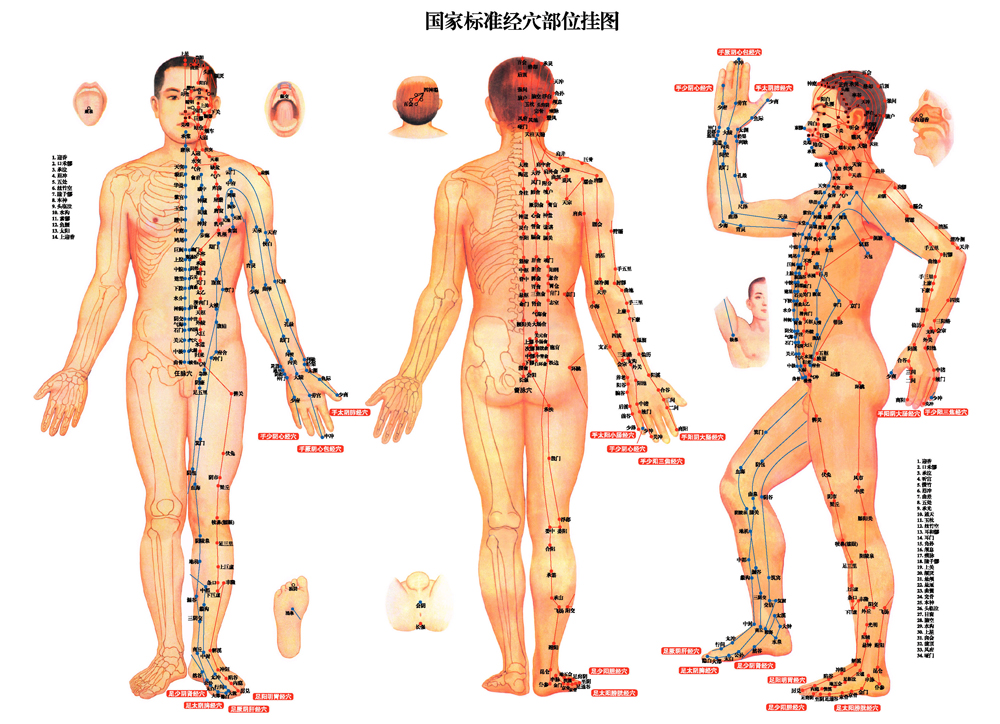
Moreover, acupuncture impacts the autonomic nervous system, specifically enhancing parasympathetic activity, which leads to airway relaxation and improved mucociliary clearance. This mechanism can be particularly helpful if you are dealing with chronic bronchitis or non-tuberculous mycobacterial (NTM) lung infections, where mucus buildup impairs breathing. Functional imaging studies also suggest that acupuncture may increase lung perfusion, thus optimizing oxygen delivery to tissues.
Case Examples: Successful Integrations of Acupuncture
In clinical settings, patients with restrictive lung diseases have reported improved breathing comfort and reduced dyspnea after integrating acupuncture with their standard medical treatments. For instance, a 58-year-old woman with idiopathic pulmonary fibrosis experienced noticeable improvements in lung capacity and exercise tolerance after 12 weeks of biweekly acupuncture sessions. Similarly, an individual undergoing treatment for NTM lung disease saw reductions in coughing episodes and better quality of life when acupuncture was incorporated alongside antibiotic therapy.
These examples illustrate how acupuncture can enhance your overall lung function and symptom management, especially when conventional treatments reach their limits. This integration supports a personalized approach that respects your body’s natural healing processes while helping to control inflammation and improve respiratory efficiency.
Additional case studies also highlight acupuncture’s role in reducing systemic symptoms such as chronic fatigue and sleep disturbances often seen in lung disease patients. By addressing these interconnected issues, acupuncture fosters a more comprehensive recovery and reinforces other holistic therapies such as homeopathy and herbal treatments tailored for lung health.
Homeopathy and Nutritional Remedies: Small Doses, Big Impact

Homeopathy offers a subtle yet effective complement for managing chronic lung conditions, such as interstitial lung disease and NTM lung disease. Remedies like Bryonia alba, which helps with dry coughs and chest pain, and Antimonium tartaricum, which helps with mucus buildup and wheezing, can help relieve symptoms by encouraging the body to heal itself. These remedies are selected based on your specific symptoms, making individualized treatment a core strength of homeopathy. Clinical observations have noted improvements in respiratory comfort and reduced inflammation in some patients with restrictive lung disease when homeopathic methods are integrated into their treatment plans.
In parallel, nutritional approaches focusing on antioxidant-rich foods and supplements can strengthen your lung function and reduce susceptibility to oxidative stress, a common pathway exacerbating lung tissue damage in chronic diseases. Vitamins C and E, selenium, and omega-3 fatty acids have proven roles in modulating inflammatory responses within pulmonary tissues. Incorporating these nutrients through diet or carefully dosed supplements may support immune modulation and tissue repair, enhancing the benefits you gain from your broader holistic treatment regimen.
Homeopathic Options for Lung Health: What Works?
Several homeopathic preparations have shown promise in easing symptoms and supporting lung health across various restrictive and interstitial conditions. For instance, Spongia tosta—derived from toasted sponge—is frequently used for dry, croupy coughs and tightness in the chest, common complaints among restrictive lung disease sufferers. Likewise, Phosphorus can assist with symptoms such as shortness of breath and sensitivity to changes in weather, which are frequently reported by patients with interstitial lung disease. The careful selection of a remedy aligned to your unique symptom profile drastically improves therapeutic outcomes in a natural and non-invasive way.
Homeopathy is often tailored to support immune resilience in cases of NTM lung disease, where chronic infection and inflammation pose ongoing challenges. Remedies like Kali bichromicum target thick, sticky secretions that block airways, thereby helping to ease breathing and reduce infection risk. Integration with traditional treatments does enhance symptom control and contributes to your overall well-being by harmonizing the body’s response to external pathogens.
Essential Nutrients and Herbs to Use in Holistic Pulmonology: Nature’s Support System
Herbal medicine complements nutritional strategies by targeting inflammation, oxidative stress, and immune support directly in your lungs. Herbs such as licorice root possess anti-inflammatory and expectorant properties, helping to soothe irritated airways and promote mucus clearance. Similarly, turmeric, with its active compound curcumin, has demonstrated strong anti-inflammatory effects that could potentially slow the progression of fibrotic changes in your lung tissue. Eucalyptus and mullein offer ventilatory support by relaxing bronchial muscles and enhancing secretion expulsion, which can be especially valuable in restrictive lung diseases.
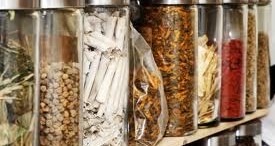
In addition to herbs, necessary nutrients like magnesium play a vital role in lung health by relaxing bronchial smooth muscles and improving airflow. Vitamin D, well-documented for its immune-modulatory functions, has shown promise in reducing exacerbations in chronic respiratory illnesses. Sourcing these compounds through a combination of diet and high-quality supplements can provide a resilient foundation for your pulmonary vitality and complement other holistic treatments in your care plan.
Collectively, these nutrients and botanicals create a synergistic effect, reducing inflammation and oxidative damage while supporting the immune system’s ability to manage chronic lung conditions. Carefully integrating these elements under expert guidance ensures you maximize benefits while minimizing potential interactions with other therapies, empowering you to take an active role in your lung health journey.
To wrap up
Considering all points, managing lung diseases through holistic treatments offers you a comprehensive approach that goes beyond conventional medical interventions. By integrating therapies such as acupuncture, homeopathy, and herbal remedies alongside standard care, you can support your lung health, potentially reduce symptoms, and enhance overall well-being. These complementary options often focus on strengthening your immune system, improving respiratory function, and addressing underlying imbalances, giving you a more personalized and balanced pathway to managing conditions like interstitial lung disease, restrictive lung disease, or NTM lung disease.
As you explore holistic treatments for lung diseases, it is important that you remain guided by evidence-based practices and consult healthcare professionals experienced in both traditional and alternative therapies. A well-rounded approach tailored to your unique needs can help you better navigate the complexities of lung health, providing you a greater sense of control and support in your journey toward improved respiratory function and quality of life.
FAQ

Q: What are some common holistic treatments used for lung diseases?
A: Holistic treatments for lung diseases often include acupuncture, herbal remedies, homeopathy, breathing exercises, and dietary changes. These approaches aim to support lung function, reduce symptoms, and improve overall well-being by addressing the physical, emotional, and environmental factors that may impact respiratory health.
Q: How can acupuncture benefit individuals with interstitial lung disease?
A: Acupuncture may help individuals with interstitial lung disease by reducing inflammation, alleviating breathlessness, and improving circulation in the lungs. It is believed to stimulate the nervous system and promote the release of natural pain-relieving chemicals, which can enhance respiratory comfort and overall energy.
Q: Are there specific herbs known to support lung health?
A: Yes, several herbs are traditionally used to support lung health, such as licorice root, mullein, thyme, and eucalyptus. These herbs may possess anti-inflammatory, expectorant, and anti-microbial properties that help soothe the respiratory tract, loosen mucus, and assist with breathing difficulties when used appropriately.
Q: What role does homeopathy play in managing lung diseases like restrictive lung disease?
A: Homeopathy offers individualized treatment plans based on specific symptoms and constitutional characteristics. For restrictive lung disease, homeopathic remedies may aim to improve lung capacity, reduce inflammation, and strengthen the immune response, complementing conventional therapies and potentially enhancing overall respiratory function.
Q: Can lifestyle changes improve outcomes in nontuberculous mycobacteria (NTM) lung disease?
A: Yes, lifestyle changes such as quitting smoking, adopting a nutritious diet, engaging in regular physical activity, and practicing stress reduction techniques can support the body’s ability to manage NTM lung disease. These adjustments help improve lung function, boost immunity, and enhance the effectiveness of medical treatments.
Q: How do breathing exercises fit into a holistic approach for lung disease?
A: Breathing exercises, such as diaphragmatic breathing and pursed-lip breathing, can improve lung efficiency, increase oxygen intake, and reduce shortness of breath. Incorporating these techniques into daily routines supports respiratory muscle strength and helps manage symptoms commonly experienced in various lung conditions.
Q: Are there any precautions to consider when using herbal or homeopathic treatments for lung diseases?
A: It is important to consult healthcare professionals before starting any herbal or homeopathic treatments, especially for serious lung conditions. Some herbs may interact with prescribed medications or they may not be suitable for certain individuals. Professional guidance ensures that holistic treatments are safe and appropriately integrated with conventional medical care.
You must be logged in to post a comment.