Seasonal Allergies
Seasonal allergies are officially called allergic rhinitis, though they are very commonly known as hay fever. They occur when the immune system overreacts to environmental triggers like pollen or mold, resulting in symptoms like sneezing, itchy eyes, and congestion during specific seasons.
Natural remedies for seasonal allergies are popular and highly demanded due to their effectiveness and safety. In some states of the US, spring seasonal allergies start at the end of January and the beginning of February and continue until June or even July. Warm temperatures during the winter season force vegetation to fertilize early, which means the pollution after a mild winter starts even before the expected time. A wet spring stimulates rapid vegetation development and causes a proliferation of mold. When such an event happens, the allergic reactions initiated in early spring would last up until mid-autumn.
While the timing and severity of an allergy season vary across the country, the following climate factors also can influence how awful your symptoms might be. 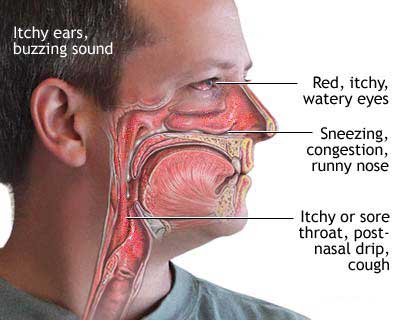 Some factors may cause the symptoms of seasonal allergies to be more aggressive during specific periods of the season. These factors include changes in climate, a time when pollution begins, and more. That’s why in different areas of the country we are observing different severity of the symptoms and different quality. These factors are different for different geographical and climate regions. They are also diminishing from East to West and from North to South.
- Saplings, lawns, and flowers increase the pollens’ productions during chilly nights and hot days.
- Molds develop rapidly in high temperatures and increased dampness.
- Morning hours are the time when the pollen concentration is the highest.
- Rain rinses the pollen off, but the concentration of the pollen in the air usually increases after raindrops.
- During the calm days when the air is steady, flying allergens are almost inactive.
- During the breezy and hot time, the concentration of pollen climbs.
- Almost all geographical areas contain allergens, making relocation unnecessary. It really does not help.
Ragweed is the guiltiest allergen in the fall season. This herb belongs to a floral class of weeds and it spreads worldwide, polluting during the late summer and autumn seasons.
There are many other plants that cause allergies in the fall, including Cocklebur, Tumbleweed, Sagebrush, etc.
Hay fever handling and healing – Natural remedies for allergic rhinitis
Some individuals do not experience any seasonal allergy attacks at all. Some are sensitive to Ragweed, some to pine trees. That means that seasonal allergies develop differently in each body and should be handled and managed accordingly.
It is beneficial if a person knows which plant or herb triggers seasonal allergies in his/her body; however, it does not solve the problem in a majority of cases because it’s impossible to isolate the human organism from allergens.
Unfortunately, antihistamine drugs (Claritin, Allegra, etc.) are not a satisfactory universal solution. The list of side effects from this class of medicine includes symptoms that are worse than the positive effects of these drugs.
The list of side effects from the drugs used for seasonal allergy treatment includes:
- Somnolence.
- Sleepiness.
- Lightheadedness and Vertigo.
- Stomach Sickness and gagging.
- Anxiety or irritability.
- Urination problems.
- Unclear vision.
- Misperception
There are some hygienic actions that are recommended to take during the seasonal allergies period. It does not heal the seasonal allergy syndrome, but it helps to manage it. During the seasonal allergies time, try to obey the rules listed below:
- Observe pollen activity. This information can always be received from a local weather channel or from the internet.
- Make sure your windows and other air entrances are closed in your home, apartment and car.
- Try to be inside during the hours of the pollen’s highest concentration. Many air filters are able to prevent a flow of allergens inside your home. That means that the use of air conditioners is helpful for seasonal allergy management.
- Take a shower, wash your hair; and change your clothes after you’ve been working or playing outdoors.
- Personal hygiene is critical. Wash out allergens from your body and hair in a shower after returning home. Furthermore, rinse when you are close as often as possible.
If you are suffering from seasonal allergies, don’t wait until it begins. There are many natural remedies for seasonal allergies to prevent the development of the condition.
Natural remedies for seasonal allergies
The majority of people overwhelmed with runny noses and watery eyes from seasonal allergies start taking antihistamine drugs. At some point, they realize that the effectiveness of these medicines is very low. Many of them start to experience even side effects. That’s why more and more individuals switch to natural remedies for seasonal allergies and start treatment with acupuncture, homeopathy, herbal medicine, and other alternative techniques.
Acupuncture for hay fever
Many studies conducted by the most prestigious clinics worldwide have proven the effectiveness of acupuncture for seasonal allergies.
In a study circulated on 19 February 2013 in the journal Annals of Internal Medicine, scientists scanned 422 individuals who suffered from seasonal allergies.
The scientists divided these patients into three groups that received different treatments.
- Patients received 12 individually customized acupuncture sessions. They were allowed to use Claritin if necessary.
- Patients received 12 sham acupuncture sessions and used Claritin if necessary
- Patients were not treated with acupuncture and used Claritin as prescribed.
After the completion of the study, all results were collected and statistically systematized:
- 80% of patients that were treated with classic acupuncture (group #1) reported noticeable progress. 90% of them did not even use Claritin.
- 15% from group #2 reported some improvement and stated that they use a smaller amount of Claritin than before. This fact speaks in favor of the so-called placebo effect, which is well-known in medical practice.
- Patients from group #3 did not report any difference.
Homeopathic remedies for seasonal allergies
Modern western physicians in the United States do not widely accept homeopathic remedies for seasonal allergies. Every homeopath holds the belief that eventually, the majority of conventional physicians will respect this medical philosophy. When it happens, doctors will claim to have always believed in homeopathy. Doctors will point to the traditional allergy healing technique when the “micro dosages” of allergen are infused into the patient’s organism—vaccination.
The statement is correct in some measure, but homeopathic practitioners use significantly lesser doses than western medicine allergy vaccinations. Furthermore, what is more important is that homeopathy is not about microdoses but about the “like cures like” philosophy, which again sounds exactly like allergy shots that assume infusing into the patient’s organism the “element” that causes symptoms.
A clinical study performed by Dr. Taylor-Reilly from the University of Glasgow (Scotland) proved the helpfulness of homeopathic remedies for seasonal allergies. David Taylor-Reilly is a professor of biochemistry. He has also practiced homeopathy for more than 20 years. The Lancet magazine published the research’s results. This publication showed that extracts from 12 different ingredients used in homeopathy for hay fever were very effective in reducing allergy symptoms compared to patients who received a placebo.
Seasonal allergies treatment at Viva Healthy Life
At Viva Healthy Life—The Center for Holistic Medicine, Dr. Tsan—acupuncturist and homeopath developed a special protocol for using natural remedies for seasonal allergies that stimulates the immune system of the human organism to properly tolerate airborne allergens. Both acupuncture and homeopathy are perfect solutions for seasonal allergies since these methods are absolutely harmless, natural, and, more importantly, highly effective.
To schedule an appointment for an initial FREE consultation regarding your treatment, use the widget below.
You must be logged in to post a comment.