OCD (Obsessive Compulsive Disorder)
When intrusive thoughts and compulsive routines disrupt your daily life, it may be more than a quirk. You may be experiencing Obsessive Compulsive Disorder, a condition characterized by recurring, unwanted thoughts, obsessions, or compulsions that drive you to do something repeatedly. You’re not alone; OCD affects millions of people worldwide. This post will explore the various causes, symptoms, and treatment options for OCD, including both conventional and holistic approaches. Whether you’re seeking relief from obsessions or compulsions, or you’re simply curious about the nature of obsessive-compulsive disorder, this guide is for you.
Key Takeaways:
- Obsessive Compulsive Disorder is a mental health disorder characterized by intrusive, repetitive thoughts (obsessions) and compulsive behaviors.
- OCD is relatively common, affecting approximately 1-2% of the population.
- The four types of OCD include contamination fears, doubting and checking, obsessions about harm, and preoccupation with order and symmetry.
- Causes of OCD may include genetics, brain chemistry, and environmental factors.
- Symptoms of OCD can vary widely but often include intense, unwanted thoughts or rituals that take up significant time or cause distress.
- Diagnosis of OCD typically involves a mental health evaluation and may include a physical exam and laboratory tests to rule out other possible causes of symptoms.
Treatments for OCD can include medication, therapy, and holistic approaches such as acupuncture, homeopathy, and hypnosis. The effectiveness of these treatments can vary from person to person, and it’s important to work with a qualified healthcare provider to find the best treatment plan.
Unpacking the Intricacies of OCD: Definition and Prevalence
Defining Obsessive-Compulsive Disorder
Obsessive Compulsive Disorder is a mental health disorder that affects an estimated 1-2% of the population. It’s characterized by intrusive, repetitive thoughts (obsessions) and compulsions, which are repetitive behaviors or mental acts that a person feels the urge to perform in response to an obsession. These symptoms typically cause significant distress, impair daily functioning, and take up a lot of time. The Diagnostic and Statistical Manual of Mental Disorders (DSM-5) outlines the criteria for diagnosing OCD, which includes the presence of obsessions, compulsions, or both that are time-consuming, cause significant distress, and interfere with the person’s daily life.
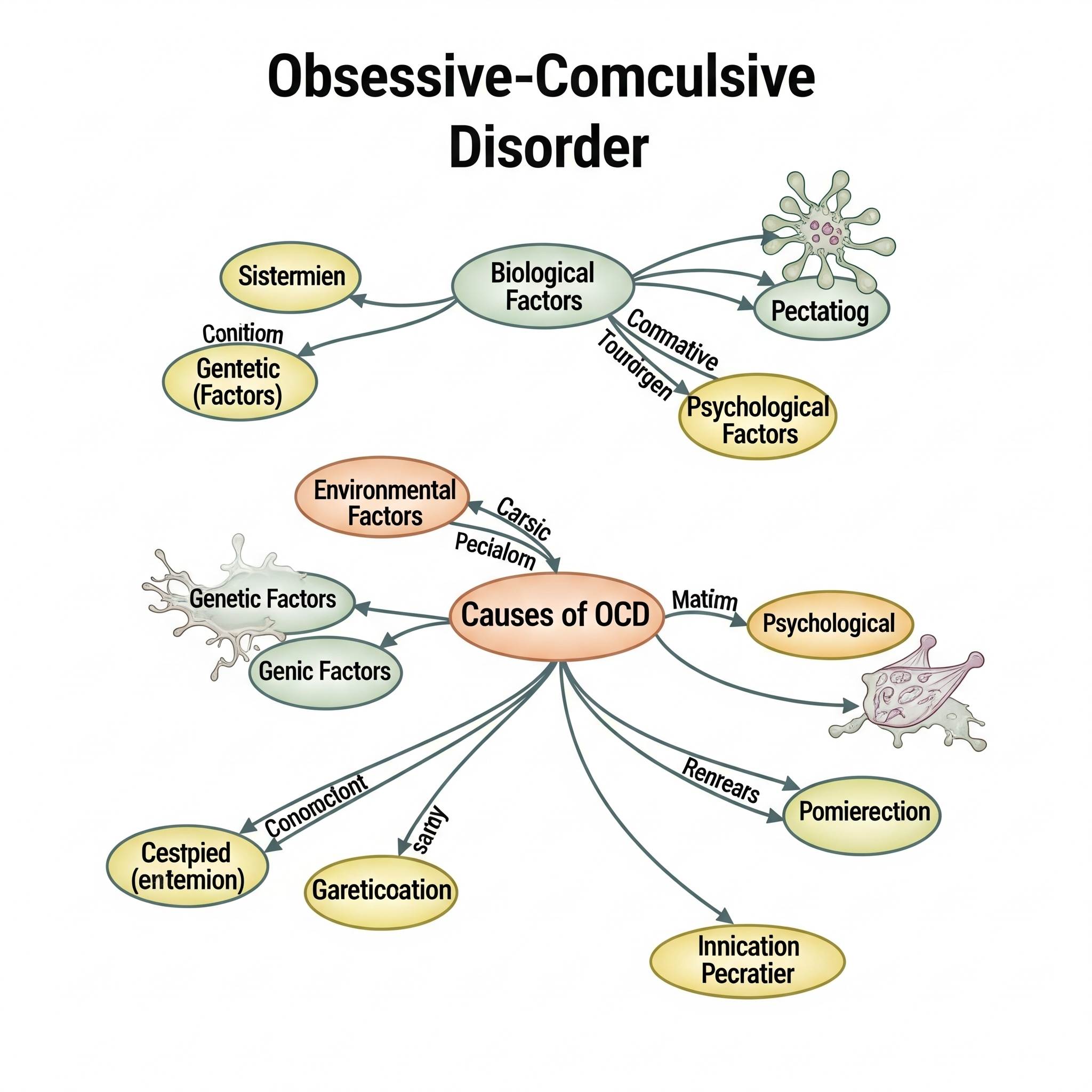
The DSM-5 also identifies four types of OCD symptom clusters: contamination and cleaning, symmetry and order, harm and checking, and unacceptable thoughts. Contamination and cleaning involve obsessions related to germs, dirt, or other substances, and compulsions to clean or avoid certain situations. Symmetry and order involve obsessions related to symmetry, exactness, or order, and compulsions to arrange objects or perform certain behaviors in a specific way. Harm and checking involve obsessions related to harm to oneself or others and compulsions to check or neutralize perceived dangers. Unacceptable thoughts involve obsessions related to taboo or forbidden thoughts, such as harming others or having blasphemous thoughts, and compulsions to avoid or suppress these thoughts.
Diagnosing OCD involves a thorough evaluation by a mental health professional, including a detailed history of the symptoms, their duration, severity, and impact on daily functioning. There are also various self-assessment tools available online, but they should be used as a guide and not a definitive diagnosis. It’s crucial to seek professional help if you suspect you or someone you know might have OCD.
Exploring the Prevalence and Demographics of OCD
OCD affects an estimated 1-2% of the population, which equates to millions of people worldwide. It’s more prevalent in women than in men, and the onset of symptoms typically occurs in childhood or adolescence, although it can also appear in adulthood. The prevalence of OCD is higher in certain populations, such as those with a family history of the disorder, those with other mental health disorders, and those with certain personality traits, such as perfectionism and neuroticism.
Research has shown that the prevalence of OCD is higher in certain ethnic and cultural groups, such as Hispanics and Asians, compared to non-Hispanic whites. Additionally, the prevalence of OCD varies by country, with higher rates reported in countries with lower socioeconomic status and higher levels of stress. The reasons for these variations are not entirely clear, but they may be related to cultural attitudes and beliefs about mental health, as well as differences in access to mental health care.
It’s important to note that OCD is a complex and multifaceted disorder, with symptoms and severity varying from person to person. While some individuals may have mild symptoms that don’t significantly impact their daily life, others may experience severe symptoms that cause significant distress and impairment. Therefore, it’s crucial to seek professional help if you suspect you or someone you know might have OCD, as early diagnosis and treatment can significantly improve outcomes.
The Underlying Drivers: Causes of OCD
Genetic and Environmental Influences
OCD is a complex disorder that arises from a combination of genetic and environmental factors. Research has indicated that genetics play a significant role in the development of OCD, with studies indicating that the condition is heritable. In fact, the risk of developing OCD is higher in individuals with a family history of the disorder. For example, a study published in the American Journal of Psychiatry found that the concordance rate for OCD in identical twins was 55%, compared to 24% in fraternal twins, suggesting a genetic component to the disorder.
Environmental factors, such as trauma, stress, and certain infections, can also contribute to the development of OCD. For instance, individuals who have experienced childhood trauma, such as abuse or neglect, are at a higher risk of developing OCD. Additionally, stressful life events, such as the death of a loved one or a job loss, can trigger OCD symptoms in susceptible individuals.
Neurobiological Factors and Brain Chemistry
Neurobiological factors and brain chemistry play a significant role in the development and maintenance of obsessive-compulsive disorder. Studies have shown that individuals with OCD have differences in the structure and function of certain brain regions, including the basal ganglia, orbitofrontal cortex, and anterior cingulate cortex. Individuals with OCD disrupt the regulation of emotions, decision-making, and reward processing in these regions.
- After controlling for other factors, individuals with OCD have been found to have lower levels of the neurotransmitter serotonin, which is involved in regulating mood and anxiety. This has led to the development of medications that target serotonin levels, such as selective serotonin reuptake inhibitors (SSRIs), which have been shown to be effective in treating OCD symptoms.
Neuroimaging studies have also shown that individuals with OCD have differences in the activity of certain brain regions, including the anterior cingulate cortex, which is involved in the regulation of attention and decision-making. These differences in brain activity may contribute to the repetitive and intrusive thoughts and behaviors that are characteristic of OCD.
- After controlling for other factors, individuals with OCD have been found to have differences in the function of the basal ganglia, a group of brain structures involved in the regulation of movement and reward processing. These differences in basal ganglia function may contribute to the compulsive behaviors seen in individuals with OCD.
The Telltale Signs: Identifying OCD Symptoms
The Nature of Obsessions
Recurrent and persistent thoughts, impulses, or images, perceived as intrusive and unwanted, often cause marked anxiety or distress. These thoughts often revolve around themes of contamination, doubts about the correctness of one’s actions, or the need for symmetry and exactness. For instance, a person with OCD might have obsessive thoughts about germs and contamination, leading to repetitive hand-washing behaviors. These obsessions are not simply excessive worries, but rather, they are experienced as intrusive and unwanted, often causing significant distress and interfering with daily life.
Obsessions are often accompanied by the fear that the thoughts themselves will cause harm or that not engaging in specific rituals or behaviors will lead to something terrible happening. This fear can be so intense that it can lead to avoidance behaviors or rituals aimed at reducing the distress caused by the obsessions. For example, a person with OCD might avoid touching door handles for fear of contamination or engage in repetitive hand-washing to try to neutralize the perceived contamination.
The severity of obsessions can vary from person to person, and the specific themes can also vary. SSome common themes of obsessions in OCD include contamination, doubts about the correctness of one’s actions, the need for symmetry and exactness, and fears of aggression oObsessions can include fears of harm to oneself or others, and they are not rational or based on reality; however, they can be distressing and intrusive.
Compulsions and Their Role in OCD
Compulsions are repetitive behaviors or mental acts that a person feels driven to perform in response to an obsessCompulsions are actions performed according to strict rules and aim to prevent or neutralize a feared event or situation, even if they are not logically connected to the issue. FFor example, a person with OCD might feel compelled to wash their hands repeatedly to try to neutralize the perceived contamination caused by their obsession with germs.
Compulsions are often driven by the need to reduce the distress caused by the obsessions or to prevent some dreaded event from happening. The person with OCD might feel that they must perform the compulsions in a specific way or for a specific amount of time to be effective. The person with OCD may experience intense anxiety or distress if they fail to perform the compulsions.
Compulsions can also be mental acts, such as counting, repeating words or phrases, or praying. These mental acts are often performed to neutralize the perceived harm caused by the obsessions or to prevent some dreaded event from happening.
It’s important to note that while compulsions may provide some temporary relief from the distress caused by the obsessions, they do not address the underlying problem and can often lead to a cycle of avoidance and reassurance-seeking behaviors that can make the OCD symptoms worse. It’s important to seek professional help if you suspect that you or someone you know may be struggling with obsessive-compulsive disorder.
Getting to the Bottom of It: The Diagnostic Process
Clinical Assessment and Diagnosis Criteria
As you navigate the journey towards understanding and managing your OCD, it’s important to research the diagnostic process. This is where healthcare professionals who specialize in mental health come into play. They will conduct a thorough clinical assessment, which is a crucial step in diagnosing OCD. The assessment typically involves an in-depth interview where you will discuss your symptoms, how they affect your daily life, and any other relevant medical or psychological history. The interviewer will also inquire about any family history of mental health conditions, given that OCD can occasionally be inherited. This information helps them to gauge the severity of your OCD and rule out any other potential diagnoses. In addition to the clinical interview, healthcare providers will use the Diagnostic and Statistical Manual of Mental Disorders (DSM), a widely recognized criterion for diagnosing mental health conditions, including OCD. According to DSM-5 criteria, for a diagnosis of OCD, a person must have recurrent and persistent obsessions or compulsions, or both, that are time-consuming, cause marked distress, or significantly interfere with daily functioning. The individual must recognize these obsessions or compulsions as unreasonable or excessive, and their attempts to resist them must be unsuccessful. The diagnosis of OCD is further categorized into four types: contamination, doubt and checking, symmetry and exactness, and forbidden thoughts.
Other Conditions to Rule Out
As you move forward in your diagnostic journey, it’s important to remember that OCD is not a standalone condition. Many other mental health disorders can present with similar symptoms, which is why it’s crucial to rule these out during the diagnostic process. Anxiety disorders, depression, bipolar disorders, and substance use disorders are some conditions that can mimic the symptoms of OCD. Therefore, healthcare professionals will conduct a thorough examination to differentiate OCD from other disorders. The evaluation may include a physical examination, blood tests, and even neuroimaging studies, such as an MRI or CT scan, to rule out any underlying medical conditions that could be contributing to your symptoms. Other conditions that can resemble OCD or coexist with it include Body Dysmorphic Disorder (BDD), Hoarding Disorder, and Trichotillomania (hair-pulling disorder). These conditions share some common features with OCD, such as obsessions and compulsions, but they are distinct in their manifestation and treatment. For example, BDD involves an intense obsession with perceived flaws in one’s appearance, while Hoarding Disorder is characterized by an inability to discard possessions, regardless of their actual value. It’s crucial to differentiate these conditions from OCD as they may require different treatment approaches. In essence, the diagnostic process for OCD is comprehensive and requires a thorough clinical assessment and evaluation to rule out other potential diagnoses. By understanding the diagnostic criteria and exploring the other conditions to rule out, you can gain a greater appreciation for your own mental health and the path forward in managing your OCD. Please keep in mind, the journey towards recovery is a personal one, and seeking professional help is the first step towards finding the right treatment options for you.
Living with OCD: Self-Assessment and Recognition
Identifying Personal Experiences with OCD
As you begin to explore your symptoms, it’s important to recognize that OCD doesn’t discriminate. It affects people from all walks of life, and its prevalence is higher than you might think, with an estimated 2.3% of the population experiencing it at some point in their lives. Identifying your personal experiences with OCD starts with recognizing the signs and symptoms. For example, you might find yourself spending an excessive amount of time on repetitive rituals, such as washing your hands or double-checking locks. These actions can consume hours of your day and cause significant distress.
Another key aspect of identifying personal experiences with OCD is understanding the intrusive thoughts that often precede these compulsive behaviors. These thoughts can be distressing, unwanted, and persistent, leading you to perform compulsions as a way to manage the anxiety they provoke. The most common types of OCD include obsessions about contamination, doubts about whether you’ve completed a task, and intrusive thoughts about harm or violence.
It’s crucial to remember that everyone experiences intrusive thoughts from time to time. The difference lies in how you respond to them. For individuals with OCD, these thoughts can lead to compulsive behaviors, which only serve to reinforce the cycle of anxiety and distress.
Distinguishing Between Normal Behavior and OCD
One of the most challenging aspects of living with OCD is distinguishing between normal behavior and the intrusive thoughts and compulsive behaviors that define the condition. For instance, it’s common for people to experience occasional doubts or concerns about whether they’ve turned off the stove or locked the door. However, for individuals with OCD, these doubts can become all-consuming, leading to hours spent checking and rechecking.
Another example is the fear of contamination, which can cause people to excessively wash their hands or clean surfaces. While it’s normal to want to maintain a clean environment, individuals with OCD may find themselves spending hours each day on cleaning rituals, significantly impacting their daily lives.
It’s important to recognize that everyone’s experiences with OCD are unique, and not all symptoms will be present in every individual. However, if you find that your intrusive thoughts and compulsive behaviors are interfering with your daily life, causing significant distress, or consuming an excessive amount of time, it’s crucial to seek professional help.
More Info About Distinguishing Between Normal Behavior and OCD
Regarding distinguishing between normal behavior and OCD, it’s important to consider the frequency, intensity, and impact of your intrusive thoughts and compulsive behaviors. While it’s normal to experience occasional doubts or concerns, individuals with OCD often find themselves spending hours each day on repetitive rituals, leading to significant distress and impairment in their daily lives. Understanding the difference between normal behavior and OCD can help you recognize when it’s time to seek professional help and take the first step towards recovery.
The Conventional Approach to Managing OCD
When considering managing OCD, the conventional approach primarily hinges on a combination of therapeutic modalities, specifically Cognitive Behavioral Therapy (CBT), and medications. These methods have been widely studied and are widely considered to be effective in reducing the severity of OCD symptoms.
Traditional Therapeutic Modalities: CBT and Medications
Cognitive Behavioral Therapy (CBT) and its specialized form, Exposure and Response Prevention (ERP), are often the first line of treatment for OCD. CBT helps individuals challenge and change unhelpful cognitive distortions and behaviors, while ERP encourages patients to confront their fears and compulsive behaviors in a controlled and structured way, thereby reducing their impact. In one study, ERP was shown to reduce OCD symptoms in over 80% of participants. Furthermore, medications, primarily Selective Serotonin Reuptake Inhibitors (SSRIs), can help decrease the frequency and intensity of obsessions and compulsions by increasing serotonin levels in the brain, thus providing a clinical edge to the treatment strategy.
However, it’s crucial to note that while these modalities are effective, their efficacy can vary from person to person. Factors such as the severity of OCD, the presence of comorbid conditions, and the individual’s response to therapy or medication can significantly influence the treatment outcome. A holistic and personalized treatment plan, incorporating both CBT and medication when necessary, often provides the best results.
The Role of Support Systems in Treatment
Support systems play a pivotal role in the management of OCD. Family, friends, and support groups offer emotional support, practical assistance, and a sense of community, which are invaluable in the challenging journey of managing OCD. Research indicates that individuals with a strong support system tend to have better treatment outcomes and overall quality of life. For instance, a study conducted by the University of California, Los Angeles, revealed that social support can significantly reduce the severity of OCD symptoms.
In addition to emotional support, friends and family can also assist in managing daily tasks and responsibilities, which can be overwhelming for someone with OCD. They can help create a structured environment that encourages adherence to treatment plans and facilitates exposure to feared situations or objects. Furthermore, support groups offer a platform for sharing experiences, coping strategies, and a sense of community, reducing feelings of isolation and stigma.
Moreover, a supportive environment can foster resilience, which is crucial in dealing with the chronic nature of OCD. It can also help in managing stress, which is a known trigger for OCD symptoms. Therefore, incorporating support systems into the treatment plan can significantly enhance the effectiveness of conventional approaches to managing OCD.
Beyond Conventional Medicine: Holistic Approaches to OCD
While conventional treatments such as medication and therapy can be effective, some individuals with OCD may benefit from a more holistic approach. These approaches focus on treating the whole person, rather than just the symptoms, and can include lifestyle changes, behavioral therapies, and alternative therapies such as acupuncture and homeopathy.
Evaluating Lifestyle Changes and Behavioral Therapies
When considering a holistic approach to OCD, it’s important to evaluate your lifestyle and make any necessary changes. This may include reducing stress, improving sleep hygiene, and increasing physical activity. Additionally, behavioral therapies such as cognitive-behavioral therapy (CBT) and exposure and response prevention (ERP) can be effective in treating OCD. CBT helps individuals challenge and change their negative thought patterns, while ERP involves gradually exposing individuals to their feared situations and teaching them how to manage their anxiety.
It’s also worth considering alternative therapies such as acupuncture and homeopathy. Acupuncture involves the insertion of thin needles into specific points on the body to stimulate energy flow and promote healing. Homeopathy, on the other hand, uses natural remedies to stimulate the body’s own healing processes. Both therapies have been shown to be effective in treating OCD, with some studies reporting that acupuncture can reduce the severity of symptoms by up to 50%.
Alternative Therapies: Acupuncture, Homeopathy, and More
Acupuncture and homeopathy are just two of the many alternative therapies available for treating OCD. Other options include neuro-linguistic programming (NLP) and hypnosis. NLP involves using language patterns to reprogram the brain and change behavior, while hypnosis is a state of deep relaxation in which the mind is more open to suggestion. Both therapies have been shown to be effective in treating OCD, with some studies reporting that hypnosis can reduce symptoms by up to 80%.
Ultimately, the best treatment approach for OCD will depend on the individual and the severity of their symptoms. It’s important to work with a healthcare provider to develop a comprehensive treatment plan that addresses all aspects of your mental health. Whether you choose conventional or holistic treatments, the goal is to reduce the severity of your symptoms and improve your overall quality of life.
Acupuncture for OCD
OCD symptoms may be somewhat alleviated by acupuncture, especially in regard to lowering tension and anxiety, which are known to be OCD triggers. Certain research suggests that acupuncture might be advantageous when used in conjunction with other treatments, such as psychotherapy. Research on the effectiveness of acupuncture for OCD is still in progress; therefore, it’s important to approach the topic objectively.

How Acupuncture Could Be Beneficial
You can expect the following benefits from acupuncture treatments:
Reducing Stress and Anxiety:
It is well recognized that acupuncture reduces stress and anxiety, two major elements that can cause or exacerbate symptoms of OCD.
Hormonal Equilibrium:
Acupuncture may influence OCD symptoms by regulating the synthesis of stress hormones, according to some researchers.
Neurological Stimulation:
OCD may benefit from acupuncture’s ability to stimulate the nervous system and possibly affect the parts of the brain that control emotions.
Quicker Outcomes:
After only a few acupuncture sessions, some customers report feeling better, and as long as they continue to receive treatment, the improvements continue.
An alternative to medicine:
For those who want to cut back on or stop taking OCD medication because of adverse effects, acupuncture may be a viable option.
Combination Therapy:
Acupuncture is frequently suggested in conjunction with psychotherapies, especially Cognitive Behavioral Therapy (CBT).
Customized Method:
Depending on the patient and the particular OCD symptom, acupuncture may or may not be useful.
Speak with Experts:
To determine whether acupuncture is a beneficial treatment option for your specific situation, you must consult with both a licensed acupuncturist and a mental health specialist.
OCD: Homeopathic Treatment
Obsessive-Compulsive Disorder (OCD) is a mental health disease that is defined by thoughts that are unwelcome and persistent (these are called obsessions), as well as repetitive activities (these are called compulsions). The homeopathic care of obsessive-compulsive disorder (OCD) often utilizes individualized treatment that focuses on the specific symptoms and experiences of the individual. A holistic approach to medicine, homeopathy seeks to encourage the body’s natural healing mechanisms to achieve its therapeutic goals.
The following is a list of important information on the homeopathic treatment of obsessive-compulsive disorders:
Because homeopathy treats each person as a unique individual, it is possible for two people who suffer from obsessive-compulsive disorders to receive different homeopathic remedies. These remedies are determined by the exact symptoms, emotional condition, and overall health of each individual.
In the symptom-based approach, homeopaths take into account not only the symptoms of obsessive-compulsive disorder (OCD), but also the individual’s mental and emotional state as a whole. They could inquire in tremendous depth about the characteristics of obsessions and compulsions, the factors that bring them on, and the ways in which the symptoms impact day-to-day living.
Arsenicum album, Natrum muriaticum, and Thuja occidentalis are just a few examples of the homeopathic remedies that could be explored for obsessive-compulsive disorder (OCD). Some of the additional homeopathic treatments that could be considered are. We consider the individual’s symptoms and constitution when selecting a treatment.
According to the holistic approach, homeopathy takes into account the interconnectedness of mental, emotional, and physical elements of health. Instead of merely relieving symptoms, the treatment is intended to bring about a state of equilibrium in the individual as a whole.
Consultation with a Homeopath It is essential for those who suffer from obsessive-compulsive disorder and are interested in receiving homeopathic treatment to visit with a homeopath who is both qualified and experienced. A comprehensive evaluation will be carried out by the homeopath to ascertain the homeopathic medicine and treatment plan that is most suitable.
Integration with Conventional Treatment: Homeopathic treatment can be used in conjunction with conventional therapies for obsessive-compulsive disorder (OCD), such as cognitive-behavioral therapy (CBT) and drugs given by a psychiatrist. Informing all of your healthcare professionals about any therapies that you are currently undergoing is of the utmost importance.
In the long term, the management of obsessive-compulsive disorder (OCD) with homeopathy may require continuing therapy and monitoring, just like any other chronic ailment. The length and frequency of treatment depend on the person’s response.
When one approaches homeopathic treatment for obsessive-compulsive disorder (OCD), it is vital to do so with realistic expectations and in consultation with healthcare specialists. The use of homeopathy may provide some individuals with relief from their symptoms; however, other individuals may require a mix of treatments. To guarantee that you receive thorough care, you should always discuss any treatment decisions with your healthcare team. By treating the mental, emotional, and physical components of OCD, homeopathy provides a comprehensive, all-natural method of controlling the illness. Some homeopathic remedies for OCD and its related symptoms are listed below:
Syphilinum
Symptoms: People who have a severe fear of contamination or who wash their hands obsessively may find this cure useful. People who have syphilis could be overly worried about hygiene and germs, and they might follow rituals to keep from getting infected.
Use: Syphilinum eases the anxiety associated with contamination worries and the obsessive drive to clean.
Carbonica Calcarea
Symptoms: Those who feel overburdened by commitments and suffer from worry and repeated thoughts are advised to take Calcarea Carbonica. Because they are afraid of failure, they may look for too much stability. These people frequently exhibit perfectionism-related obsessive tendencies.
Use: Calcarea carbonica relieves obsessive behaviors brought on by anxiety over responsibility and insecurity and offers emotional support.
Lycopodium
Symptoms: Lycopodium relieves anticipatory anxiety, particularly in relation to performance or criticism. They may exhibit compulsive behaviors due to a fear of criticism or making mistakes.
Use: Lycopodium boosts self-confidence and treats obsessive habits brought on by fear of making mistakes.
Argentum Nitricum
Symptoms: This treatment is recommended for people who perform ritualistic actions out of a fear of hypothetical disasters. They might have a strong need to avoid catastrophe through compulsions, anxiety, and a fear of losing control.
Use: Argentum Nitricum helps reduce imagined threats by regulating impulsive actions and compulsions.
Silicea
Signs: Silicea is commonly used for meticulous perfectionists who may constantly inspect locks, appliances, or other items to ensure everything is in working condition. This might lead to repetitive checking behaviors.
Use: Silicea relieves compulsive behaviors associated with perfectionism and lessens the need for frequent checking.
The Power of the Mind: Hypnosis and Its Efficacy in Treating OCD
When exploring unconventional methods for treating OCD, hypnosis stands out as an intriguing option. Many individuals with OCD have turned to hypnotherapy, a form of mind-body therapy, to manage their symptoms. This treatment modality involves inducing a trance-like state in the patient, where they become deeply relaxed and open to suggestions. In this chapter, we’ll examine the specifics of hypnosis as a treatment tool and examine its efficacy in treating OCD.

Understanding Hypnosis as a Treatment Tool
Hypnosis is a state of heightened focus and concentration, characterized by an increased ability to accept suggestions. It is not a form of sleep but rather a state of heightened suggestibility. In hypnotherapy, the therapist guides the patient into a trance-like state, where they are more receptive to suggestions that can help them overcome their OCD symptoms. Hypnosis is often used in conjunction with cognitive-behavioral therapy (CBT) to help patients manage their obsessions and compulsions.
During hypnotherapy sessions, the therapist may suggest that the patient imagine a calm and relaxed scene, or they may suggest that the patient visualize themselves successfully managing their OCD symptoms. The goal is to help the patient create new thought patterns and behaviors that will enable them to overcome their OCD. Hypnotherapy can also be used to help patients manage their anxiety and stress, which can exacerbate OCD symptoms.
While hypnosis is not a cure for OCD, it can be a useful tool in managing the symptoms. It is important to note that hypnotherapy should always be conducted by a qualified and licensed therapist, and it should never be used as a standalone treatment for OCD. It is also important to remember that hypnosis is not a magic cure, and it may not work for everyone.
Reviewing Evidence and Case Studies on Hypnosis for OCD
TThere is a growing body of evidence supporting the use of hypnosis in treating OCD. SSeveral case studies and small-scale studies have shown that hypnotherapy can effectively reduce the severity of OCD symptoms.
The Journal of Anxiety Disorders published a study where a combination of hypnotherapy and CBT treated 18 OCD patients. The results showed that the patients experienced a significant reduction in the severity of their OCD symptoms following the treatment.
Another study published in the Journal of Anxiety Disorders found that hypnotherapy and CBT were effective in reducing the severity of OCD symptoms in 18 patients.
A study, published in the Journal of Clinical Psychology, found that hypnotherapy was effective in reducing the severity of OCD symptoms in 20 patients.
A study published in the Journal of Consulting and Clinical Psychology found that hypnotherapy was effective in reducing the severity of OCD symptoms in 24 patients.
These studies demonstrate that hypnotherapy can be an effective treatment modality for individuals with OCD. However, it is important to note that more research is needed to fully understand the efficacy of hypnosis in treating OCD. Additionally, it is important to remember that hypnotherapy should always be used in conjunction with other treatment modalities, such as CBT, to achieve the best possible outcome.
To sum up, hypnosis can be a useful tool in managing the symptoms of OCD. While it is not a cure for the disorder, it can be effective in reducing the severity of symptoms and improving the quality of life for individuals with OCD. However, it is important to remember that hypnosis is not a magic cure, and it may not work for everyone. It is important to work with a qualified and licensed therapist to determine if hypnosis is a suitable treatment option for you.
Summing up
To wrap up, OCD (Obsessive Compulsive Disorder) is a mental health condition characterized by intrusive, repetitive thoughts (obsessions) and behaviors (compulsions) that a person feels driven to perform in response to an obsession. OCD can be debilitating and significantly impact daily life, but it is treatable. The causes of OCD are not fully understood, but it is believed to involve a combination of genetic, environmental, and neurological factors. Common symptoms of OCD include recurring thoughts, urges, or images that are distressing or disturbing (obsessions) and repetitive behaviors or mental acts that a person feels compelled to perform in response to an obsession (compulsions).
Conventional treatments for OCD typically include medication and therapy, with a combination of both often being the most effective. Medications used to treat OCD typically include selective serotonin reuptake inhibitors (SSRIs), which are a type of antidepressant. Therapy for OCD typically includes cognitive-behavioral therapy (CBT), which is a type of talk therapy that helps people understand and change the way they think and behave. CBT for OCD often includes exposure and response prevention (ERP), which is a specific type of CBT that involves gradually exposing a person to the source of their fear or anxiety and then helping them learn to resist the urge to perform a compulsive behavior.
Holistic treatments for OCD include acupuncture, homeopathy, neuro-linguistic programming (NLP), and hypnosis. Acupuncture is a traditional Chinese medicine technique that involves the insertion of thin needles into specific points on the body to restore balance and promote healing. Homeopathy is a form of alternative medicine that uses highly diluted substances to stimulate the body’s natural healing processes. NLP is a technique that uses language and thought patterns to help people change their behavior and overcome psychological problems. Hypnosis is a state of focused attention and increased suggestibility and is often used to treat a variety of psychological and physical problems, including OCD. However, the effectiveness of these treatments for OCD has not been well-established.
FAQ

Q: What is OCD (Obsessive Compulsive Disorder)?
A: OCD is a mental health condition characterized by persistent, unwanted thoughts (obsessions) that lead to repetitive, ritualistic behaviors (compulsions) in an attempt to relieve the anxiety caused by the obsessions.
Q: How common is OCD?
A: OCD affects approximately 1-2% of the population, according to the American Psychiatric Association.
Q: What are the 4 types of OCD?
A: The 4 types of OCD are: Contamination OCD, Symmetry OCD, Checking OCD, and Obsessive Thoughts OCD.
Q: What are the causes of OCD?
A: The exact cause of obsessive-compulsive disorder is not fully understood, but it is believed to be a combination of genetic, neurological and environmental factors.
Q: What are the symptoms of OCD?
A: Symptoms of OCD can vary, but they typically include repetitive thoughts, images, or impulses (obsessions) that cause distress, and behaviors (compulsions) that are performed in an attempt to relieve the anxiety caused by the obsessions.
Q: How is OCD diagnosed?
A: OCD is typically diagnosed through a comprehensive mental health evaluation, including an interview with a mental health professional and possibly a medical exam and psychological tests.
Q: How can OCD be treated?
A: Obsessive-compulsive disorder can be treated with a combination of medication, therapy, and self-help strategies. Conventional treatments include medication, such as selective serotonin reuptake inhibitors (SSRIs), and therapy, such as cognitive behavioral therapy (CBT) and exposure and response prevention (ERP). Holistic treatments, such as acupuncture, homeopathy, and NLP, may also be used in the majority of cases.
Holistic Treatments for OCD in Philadelphia
Dealing with obsessive-compulsive disorder can be complex, and over time, the illness may hinder your ability to perform even simple routine tasks. If you do not see any positive results from conventional treatments or drugs, those mentioned natural and holistic treatments can provide relief. They are also significantly cheaper and can be used with other therapies.
Since Philadelphia Holistic Clinic combines different departments, you can get here the most complex natural treatment of OCD using different modalities:
To book your appointment for Alternative Holistic Evaluation with Dr. Tsan and discuss your best treatment options, contact our clinic at (267) 403-3085 or book it online.
You must be logged in to post a comment.