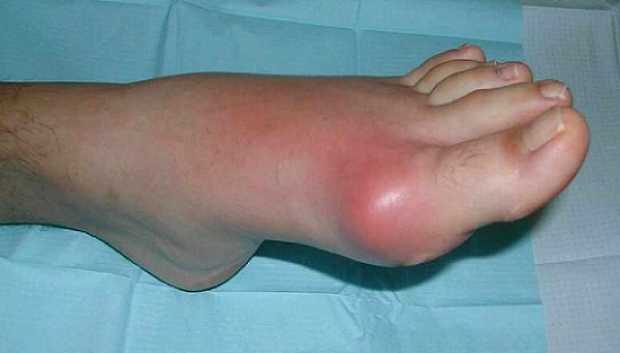
Gout
Gout is defined as inflammatory arthritis caused by uric acid crystal buildup in joints. What is gout? The gout definition highlights sudden, severe pain, swelling, and redness, as well as natural treatments like diet, hydration, and weight control you can use.

Key Takeaways:
- Gout is an inflammatory arthritis caused by uric acid crystal deposits in joints, most commonly affecting the big toe.
- High blood uric acid levels arise from overproduction or reduced excretion of urate and are driven by genetics, obesity, kidney dysfunction, certain drugs, and high-purine intake.
- Acute gout attacks cause sudden, severe joint pain with swelling, redness, warmth, and limited movement, often striking at night.
- Medical treatment for flares includes NSAIDs, colchicine, or corticosteroids; long-term control uses urate-lowering drugs such as allopurinol or febuxostat when indicated.
- Dietary measures that lower gout risk include reducing red meat, organ meats, beer, and sugary drinks while increasing water, low-fat dairy, vegetables, and cherries.
- Natural and home approaches that may help pain and prevention include hydration, ice, weight loss, cherries, and vitamin C; acupuncture and homeopathy have limited and inconsistent supporting evidence.
- Regular monitoring of uric acid and ongoing care with a healthcare provider helps prevent attacks and complications; seek prompt evaluation for severe or recurrent joint inflammation.
Clinical Presentation and Common Symptoms of Gout
You will commonly feel sudden, intense pain in the first metatarsophalangeal joint (big toe), one of the hallmark gout symptoms, with swelling and warmth that often wakes you at night.

Acute attacks typically reach maximum intensity within 24 hours and can last days to two weeks; you may need short-term relief while uric acid levels are managed because these gout symptoms are highly disabling.
Joint redness and extreme tenderness during flares are common gout symptoms, and you may avoid even light touch because of hypersensitivity around the affected area.
Identifying acute inflammatory episodes
During an episode, you should look for a quick onset of monoarticular inflammation, often in the big toe, ankle, or knee, helping differentiate gout symptoms from other arthritides.
Typical clinical signs include intense pain, erythema, heat, and marked swelling that makes joint movement difficult; you can document frequency and triggers to guide treatment of gout symptoms.
Onset often follows dietary excess, alcohol, or dehydration, so you should note preceding events and record timing to correlate triggers with gout symptoms.
Physical indicators and localized discomfort
Swelling localized to a single joint usually accompanies severe pain, and you should assess joint contour, range of motion, and focal tenderness when tracking gout symptoms.
Tophi develop over months or years as subcutaneous urate deposits and you need to inspect the helix, elbows, fingers, and Achilles for firm nodules that confirm chronic gout symptoms.
Redness and shining skin over the affected joint are frequent signs; you should monitor skin changes and warmth to distinguish gout symptoms from septic arthritis.
Pain intensity can be severe enough that you avoid weight-bearing or using the joint; documenting pain scales, duration, and pattern aids diagnosis and management of gout symptoms.
Etiology: Understanding What Causes Gout
Gout develops when monosodium urate crystals form in your joints after serum uric acid exceeds its solubility threshold, about 6.8 mg/dL, and if you ask, “What causes gout?” the short answer is “sustained hyperuricemia driving crystal deposition.” Uric acid levels rise because you either produce too much purine breakdown or your kidneys fail to excrete enough, with renal underexcretion accounting for roughly 90% of cases. Crystal-driven inflammation then produces the classic sudden, severe joint pain and swelling you recognize as an acute gout attack.
Uric acid originates from purine metabolism in cells and dietary sources; if you consume high-purine foods or have increased cell turnover, your serum urate climbs. Genetic variants in URAT1, GLUT9, and other transporters influence your renal handling of urate and can push you toward hyperuricemia at younger ages. Crystal nucleation frequently targets the first metatarsophalangeal joint but can affect any synovial space.
Crystal buildup triggers a strong reaction from neutrophils and activates the NLRP3 inflammasome, which releases IL-1β, causing pain and redness. Comorbid conditions such as chronic kidney disease, hypertension, and metabolic syndrome increase your risk by impairing urate clearance and altering renal hemodynamics. Long-term untreated hyperuricemia can lead you to develop tophi, joint damage, and recurrent attacks.
Primary biological triggers
Biochemical triggers begin when monosodium urate crystals precipitate from supersaturated synovial fluid and lodge in joint tissues, where you experience mechanical irritation. The crystals directly trigger certain receptors on immune cells called macrophages, which then activate a process that produces IL-1β, causing you to feel strong inflammation
Your genes influence how your body processes urate; changes in SLC22A12 (URAT1), SLC2A9 (GLUT9), and ABCG2 can change how urate is absorbed or released. Enzymatic defects in purine metabolism, though rare, produce marked overproduction and earlier onset of gout in affected individuals.
Inflammatory amplification occurs when neutrophils ingest crystals, release reactive oxygen species and proteases, and form neutrophil extracellular traps that magnify joint damage you might see on imaging. The inflammatory cascade is responsible for the rapid onset and severity of gout flares.
- Monosodium urate crystals
- NLRP3 inflammasome → IL-1β
- Neutrophil activation and NETosis
Risk factors for uric acid accumulation
Environmental influences such as a diet high in red meat, shellfish, beer, and fructose-sweetened beverages raise your purine load and contribute to higher serum urate. You increase your risk when you binge alcohol or consume excessive sugary drinks that drive hepatic urate production.
Medication-induced risk arises from agents that reduce renal urate excretion; you should note thiazide and loop diuretics, low-dose aspirin, cyclosporine, and some chemotherapeutics as contributors to hyperuricemia. Dose adjustments or alternative drugs often reduce your gout risk when medically appropriate.
Metabolic and demographic factors, including obesity, male sex, age over 40, chronic kidney disease, hypertension, and insulin resistance, cluster to raise your baseline urate and frequency of flares. The interplay of these conditions accelerates urate accumulation and symptomatic disease.
Additional detail highlights modifiable and nonmodifiable risks that you can address through lifestyle and medical management.
- Diet: red meat, shellfish, high-fructose corn syrup
- Alcohol: beer and spirits
- Medications: thiazides, loops, cyclosporine
- Comorbidities: CKD, obesity, hypertension, metabolic syndrome
- Genetics: URAT1, GLUT9, ABCG2 variants
The cumulative impact of these factors determines how likely you are to develop sustained hyperuricemia and gout.
Standard Medical Treatments and Medications for Gout
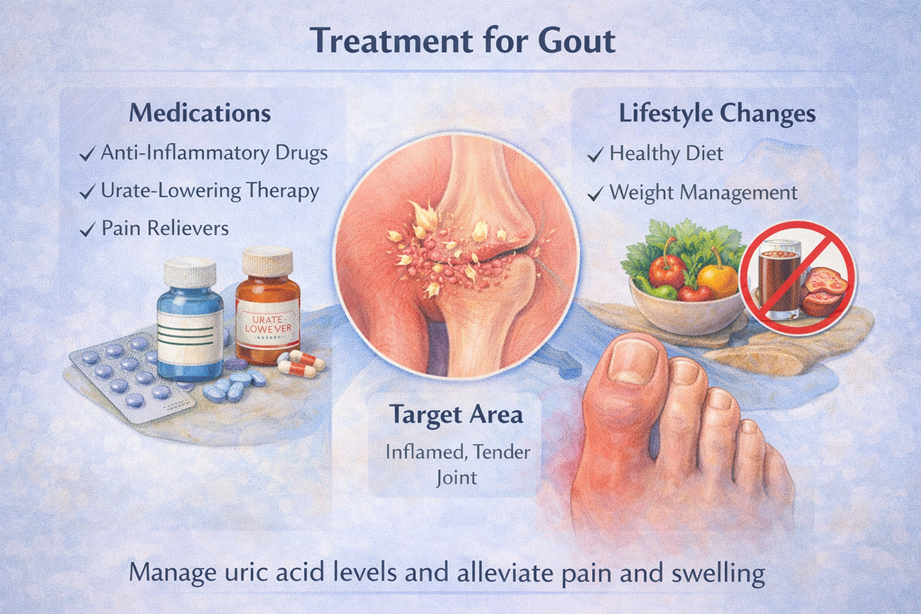
Clinical pharmaceutical interventions
Allopurinol is often your first-line gout medication and a cornerstone of gout treatments; typical initiation is 100 mg daily, with titration by 100 mg every 2–4 weeks until you reach a serum uric acid (SUA) target below 6 mg/dL, commonly around a 300 mg total daily dose, though some patients need higher doses. You may be offered HLA-B*5801 testing if you are Han Chinese, Korean, or Thai or have stage 3+ CKD to reduce the risk of severe hypersensitivity. You will have renal function monitored and dosing adjusted for creatinine clearance.
Colchicine treats acute flares and prevents early flare-ups when you start urate-lowering therapy; acute dosing often uses 1.2 mg followed by 0.6 mg one hour later, while prophylactic dosing is commonly 0.6 mg once or twice daily. You should be warned about gastrointestinal effects and interactions with strong CYP3A4 or P‑glycoprotein inhibitors, and your clinician will reduce the dose for renal impairment to avoid toxicity.
NSAIDs such as indomethacin (50 mg three times daily) or naproxen are used for acute attacks when you have no contraindications; alternatives include short-course oral corticosteroids (prednisone 30–40 mg daily with tapering) if NSAIDs are unsafe. You will be advised about bleeding and renal risks, especially if you take anticoagulants or have CKD, and clinicians will choose agents and durations accordingly.
Management protocols for chronic cases
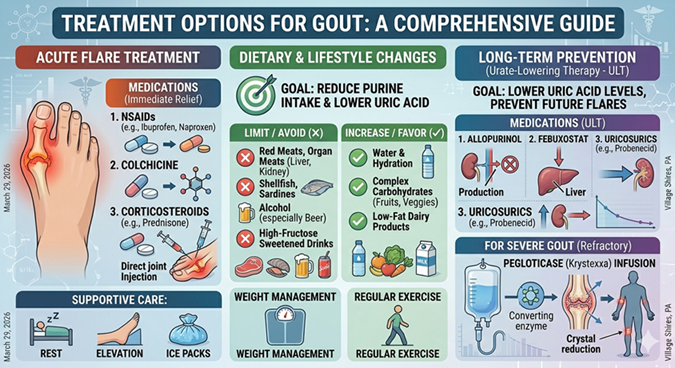
You will frequently be placed on long-term urate-lowering therapy when you have recurrent attacks, tophi, urolithiasis, or persistent hyperuricemia; guidelines aim for SUA < 6 mg/dL and often recommend continuing gout medications indefinitely until targets and tophi resolution are achieved. You should expect regular reviews and coordinated care to balance the efficacy and safety of your regimen.
Monitoring of SUA, renal function, and liver tests guides your chronic management: check SUA every 2-5 weeks during titration, then every 6-12 months once stable, and monitor LFTs if you take febuxostat 40-80 mg. You will also need periodic review of concomitant drugs that raise urate, like thiazide diuretics, and assessment for HLA-B*5801 where relevant.
Titration strategies tailor your therapy; you may have allopurinol increased by 100 mg increments every 2-4 weeks, up to a maximum of 600-800 mg daily if needed, or be switched to febuxostat 40-80 mg if you are intolerant. You will receive flare prophylaxis during initiation and dose adjustments, and clinicians will weigh comorbidities, renal function, and drug interactions when choosing agents.
Lifestyle and adherence measures complement medical protocols: you should maintain hydration, limit alcohol and high-purine foods, and avoid sudden cessation of urate-lowering gout treatments. You will often be given short-term, low-dose colchicine (0.6 mg once daily) or an NSAID during the first 3–6 months of therapy to prevent flares, and clinicians will emphasize adherence to achieve the target SUA and reduce flare frequency.
Nutritional Management: Gout Diet and Prohibited Foods
While medications are often necessary to manage gout flares and lower uric acid levels over the long term, making strategic dietary choices can be a foundational part of your treatment plan. This visualization focuses entirely on the “good” foods and hydration habits that can help prevent future flares and lower uric acid naturally.

Good Foods for Gout Management
Managing gout through diet involves prioritizing foods that are low in purines and can even actively help lower uric acid levels.
Hydration Foundation:
-
Water is Crucial: Minimum 8–12 cups per day. Water is essential for helping your kidneys efficiently flush uric acid from your system. Supporting kidney function is the first line of defense.
Complex Carbohydrates (Fruits & Vegetables):
-
Favor Cherries & Berries: Tart and sweet cherries, along with a mix of berries (blueberries and strawberries), contain anti-inflammatory compounds and are naturally low in purines. Pointers show how they help preventatively dissolve urate crystals.
-
Citrus Fruits: Oranges, lemons, and grapefruits are rich in Vitamin C, which can help dissolve uric acid and prevent its accumulation.
-
Low-Purine Vegetables: Spinach, broccoli, and kale (in moderation but low purine) are excellent choices, alongside bell peppers.
-
Whole Grains: Oats, brown rice, and whole-wheat bread provide essential fiber and complex carbohydrates without high purine levels.
Unique Dietary Factors:
-
Low-Fat Dairy: Milk (specifically 1%), yogurt, and cottage cheese have a unique property: they can help the kidneys excrete uric acid more effectively. Pointers explicitly connect low-fat dairy to kidney function in this way.
-
Other Helpful Items: Coffee (in moderation) is associated with a lower risk of gout flares. High-fiber foods and a variety of Vitamin C-rich items (like citrus and peppers) are also beneficial.
The overall principle, as visualized in this guide, is simple: Dietary Choices → Reduce Uric Acid Formation → Prevent Future Flares. Remember, this is an educational guide. Always consult a healthcare professional to integrate these dietary changes into your personal treatment plan.
You should prioritize a gout diet that reduces purine load and supports weight loss; when clinicians ask, “What is a good diet for gout?” they often recommend low-fat dairy, whole grains, vegetables, and limited red meat and alcohol.

Lean protein choices such as poultry, legumes, and tofu can be included in your meals to provide necessary amino acids without high purine levels; you should replace sugary drinks and processed foods with water and fiber-rich options.
Drink ample fluids; aim for slow weight loss if overweight; and follow specific guidance on foods to avoid with gout—for example, limit organ meats, shellfish, anchovies, sardines, and beer to reduce flare risk.
Optimal foods for metabolic health
Choose low-fat dairy, cherries, berries, and plenty of leafy vegetables to help lower uric acid and improve insulin sensitivity as part of a gout diet you can sustain long-term.
Include whole grains, legumes, nuts, olive oil, and moderately lean poultry to balance macronutrients and support metabolic health while answering the question, “What is a good diet for gout?” with practical swaps.
Limit simple sugars and fructose-sweetened beverages in your daily intake, as cutting these is a key pillar in reducing gout flares and preserving metabolic control.
Dietary triggers and high-purine foods to eliminate
Avoid high-purine items such as organ meats (liver and kidney), red meat, anchovies, sardines, mackerel, and shellfish since these are classic examples listed among foods to avoid with gout.
Reduce beer and other alcoholic beverages in your routine because alcohol impairs uric acid excretion and is a common trigger for acute gout attacks.
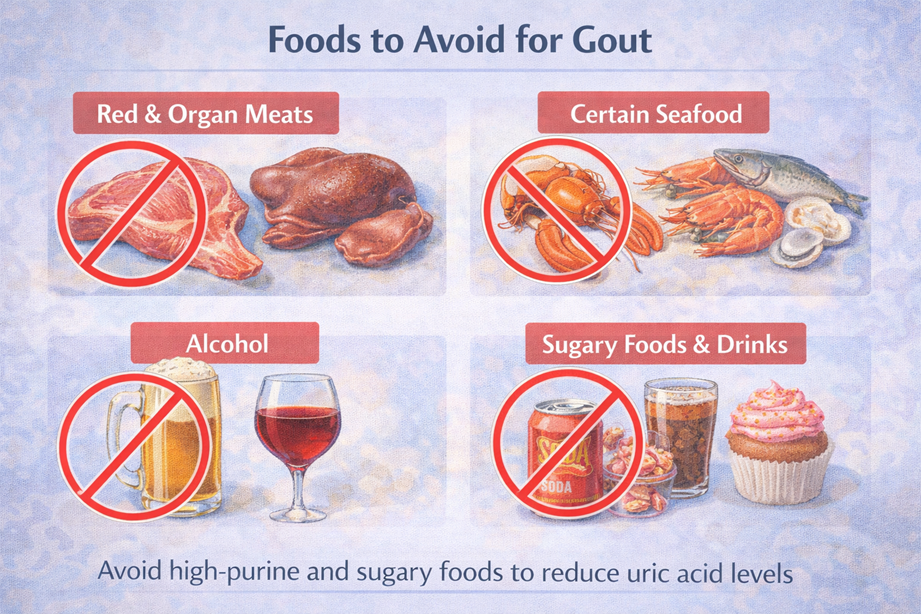
Cut back on processed meats, gravy, and high-fructose corn syrup—these dietary triggers raise uric acid and inflammation, undermining the metabolic benefits of your gout diet.
Monitor portions and frequency of purine-rich foods, check labels for hidden sugars, and consult dietary resources that answer “What is a good diet for gout?” so you tailor restrictions to your medication and comorbidities.
Holistic Approaches and Home Remedies for Gout Pain
You should prioritize proven natural gout remedies and home remedies for gout pain such as icing, elevation, and hydration during attacks: apply a cold pack for 15-20 minutes, keep the joint elevated, and sip water steadily to help lower uric acid concentration and reduce swelling.
Ice applied directly in a thin barrier can lower local temperature and numb pain; aim for 15-20 minute intervals every hour during the first 24-48 hours of an acute flare to blunt inflammation and improve mobility.
Rest the affected joint and limit weight-bearing while you use these home remedies for gout pain, and track triggers like high-purine foods (organ meats and shellfish) and alcohol to reduce future episodes.
Immediate home-based relief strategies for gout arthritis
Soak in a cool, comfortable bath or use a cold compress to reduce intense joint heat; many people report 10-20 minutes eases pain without irritating surrounding tissue.
Compress the joint with a soft wrap after icing to maintain reduced swelling; alternate cold with gentle elevation and loosened footwear to prevent pressure on the big toe.
Avoid sugary drinks and beer during an attack since they can worsen uric acid spikes; combine these actions with rest and hydration for faster symptom relief.
Natural supplements and inflammation control for gout
Turmeric (curcumin) offers anti-inflammatory effects and many use 500-2,000 mg daily as part of natural gout remedies; pair with black pepper for better absorption and consult your clinician about dosing.
Omega-3 fish oil at 1,000-3,000 mg daily can reduce systemic inflammation and complement other home remedies for gout pain, especially when dietary omega-3s are low.
Ginger, taken as 1-2 grams daily or brewed as tea, contains gingerols that may blunt inflammatory pathways and provide adjunct pain relief during flares.
Probiotics and vitamin C have supportive evidence for lowering uric acid modestly; discuss any new supplement with your provider to avoid interactions and adjust conventional treatment if needed.
Alternative Modalities for Gout: Acupuncture and Homeopathy
You may wonder, “Does acupuncture work for gout?” – some patients report rapid pain relief and reduced swelling after sessions, but research is mixed and you should view it as adjunctive care, not a replacement for urate-lowering therapy or NSAIDs when indicated.
Acupuncture can target local and distal points; when you ask about “acupuncture points for gout,” practitioners often use Ashi (local tender points), ST36, SP5, and LV3, along with distal limb points, to modulate inflammation and pain through neurovascular pathways.
Studies vary in size and quality, so you should track symptoms and uric acid levels if you try acupuncture and coordinate with your primary clinician to avoid interrupting prescribed medications while exploring “homeopathy for gout” or other complementary options.
Efficacy and specific pressure points in acupuncture
The efficacy data for “Does acupuncture work for gout?” show small randomized trials and case series reporting pain score drops of 30–50% within one week for some patients, but larger controlled trials remain limited, so you should interpret benefits cautiously.
Practitioners often stimulate “acupuncture points for gout” such as SP5 (near the medial ankle), ST36 (below the knee), and local Ashi points at the affected joint; you should expect a course of 6-12 sessions over 4-8 weeks to assess response.
Specific techniques like electroacupuncture and auricular points are sometimes used alongside manual needling; you should discuss expected outcomes, potential bruising or transient soreness, and realistic goals before beginning treatment.
Homeopathic applications for gout joint and toe relief
Homeopathy for gout is commonly sought when you prefer nonpharmacologic approaches; remedies frequently cited include Colchicum autumnale for intense, intolerable pain; Ledum palustre for ascending joint involvement; and Bryonia alba when movement worsens pain, but high-quality evidence is lacking.
Remedies chosen for “homeopathic remedies for gout in the toe” typically match symptom patterns: you may be advised Colchicum 30C for sharp, nocturnal big-toe pain. Use Ledum 30C for spreading inflammation or Rhus toxicodendron when stiffness improves with motion. Consult a certified homeopath for individualized selection and potency guidance.
Some patients combine a “homeopathic remedy for gout” with lifestyle measures you follow—hydration, a low-purine diet, and weight management—while monitoring uric acid; you should never stop prescribed urate-lowering drugs without medical approval.
When looking at homeopathic options, be ready for a personalized approach that connects your specific symptoms to a remedy; since the evidence is mostly based on personal experiences, work with your healthcare team, let them know if things get worse, and focus on established treatments for frequent flare-ups.
Final Words
Conclusively, you should treat gout remedies as a practical set of options that reduce uric acid and inflammation; you can use cherries, vitamin C, increased water intake, a low-purine diet, and weight loss to lower flare frequency.
You must monitor symptoms such as sudden joint pain, redness, and swelling and address diet and alcohol intake while consulting a clinician about medications when natural measures fall short.
You will benefit from consistent habits: daily hydration, limiting red meat and beer, adding cherries or tart cherry juice, and maintaining a healthy weight to reduce attacks and improve long-term joint health.
FAQ

Q: What is gout?
A: Gout is a form of inflammatory arthritis caused by deposition of monosodium urate crystals in joints due to elevated blood uric acid (hyperuricemia). Attacks typically present as sudden, severe joint pain with swelling, redness, and warmth, most commonly affecting the big toe (podagra), though ankles, knees, wrists, and fingers can also be involved.
Q: What causes gout and who is at risk?
A: Gout occurs when serum uric acid exceeds its solubility and crystals form; the condition can result from overproduction of urate, decreased renal excretion, or both. Risk factors include male sex, older age, family history, obesity, high-purine diet, excessive alcohol (especially beer), high-fructose intake, certain medications (thiazide diuretics and low-dose aspirin), chronic kidney disease, and metabolic syndrome. Genetic variants that affect urate transporters also raise risk.
Q: What are common symptoms and stages of gout?
A: Classic symptom is sudden, intense joint pain that peaks within 24 hours, often accompanied by marked swelling, warmth, and skin erythema over the joint. Initial attacks are frequently monoarticular and resolve in days to two weeks; recurrent attacks can occur and long-standing untreated gout may progress to intercritical periods, chronic synovitis, joint damage, and tophus formation. Systemic signs such as low-grade fever and elevated inflammatory markers can appear during severe flares.
Q: What medications treat acute gout and how is long-term management handled?
A: Acute flares are treated with anti-inflammatory agents such as NSAIDs (naproxen, indomethacin), colchicine, or systemic or intra-articular corticosteroids to reduce pain and inflammation. Long-term management aims to lower serum urate to target levels (commonly <6 mg/dL, or <5 mg/dL with tophi) using xanthine oxidase inhibitors (allopurinol, febuxostat) or uricosurics (probenecid, where appropriate). Prophylactic low-dose colchicine or NSAIDs during urate-lowering therapy initiation helps prevent paradoxical flares. Medication selection depends on comorbidities, kidney function, drug interactions, and monitoring of serum urate and organ function.
Q: What diet and lifestyle changes help prevent gout and which foods should be avoided?
A: A gout-friendly diet reduces intake of high-purine animal foods and minimizes alcohol and added fructose. Limit red meat, organ meats, shellfish, and high-purine seafood; avoid sugary sodas and foods with high-fructose corn syrup; and reduce beer and spirits intake. Encourage low-fat dairy, cherries and tart cherry products, moderate coffee, vitamin C-rich fruits, whole grains, legumes, and plenty of water to support uric acid excretion. Gradual weight loss and regular exercise lower uric acid in overweight individuals and reduce flare risk.
Q: What natural or home remedies can relieve gout pain and reduce flares?
A: During acute attacks, rest, joint elevation, cold packs, and prescribed anti-inflammatory medications provide the most reliable relief; natural measures can be adjunctive. Cherries or concentrated cherry extract have modest evidence for fewer flares; vitamin C supplementation (500-1,000 mg/day) can lower serum urate slightly but requires medical guidance if kidney disease or drug interactions exist. Anti-inflammatory supplements such as omega-3 fish oil or curcumin may help symptom control but should not replace standard therapy. Consistent hydration, weight management, and alcohol reduction remain effective nonpharmacologic strategies. Always consult a clinician before starting supplements.
Q: Do acupuncture or homeopathy work for gout and what are the common acupuncture points used?
A: High-quality evidence supporting acupuncture for gout are multiple and consistent; scientific trials report pain reduction, so acupuncture should be considered either as adjunctive or primary therapy. Practitioners often use local points around the affected joint and distal points such as ST36 (Zusanli), SP6 (Sanyinjiao), and LI4 (Hegu), but protocols vary and benefits are not well standardized. Homeopathy has solid proof that it works better than a placebo for treating gout. Rely on evidence-based acute treatments and urate-lowering therapy, and discuss any complementary approaches with a healthcare provider to ensure safety and avoid interference with prescribed medications.
Holistic Treatment for Gout Arthritis in Philadelphia
During the year 2025, the effectiveness of treatment for gout arthritis at Viva Healthy Life reached the record of 84%. That means that for every 100 patients, 84 reported, at least, noticeable improvement. All homeopathic treatment for gout performed by the medical director of the Center, internationally known physician and homeopath Victor Tsan

“The Holistic treatment for gout arthritis performs better than average when remedies are prescribed by a skilled homeopathic practitioner. A well-trained homeopathy expert always uses a holistic approach to finding the core of the medical condition and the factors that worsen or improve symptoms. Having this entire information homeopath can choose very specific for this particular patient remedies to address somatic, passionate, psychological and even transcendent aspects of the disease” Dr. Tsan says.
Contact our holistic center to schedule your appointment for evaluation and treatment with Dr. Tsan and start your journey to a long-term remission of this painful condition.
You can also use the widget below to book your appointment.
You must be logged in to post a comment.