Somnambulism/Sleepwalking
Most people understand sleepwalking as a mysterious nighttime behavior, but if you experience or observe somnambulism, it’s important to know what it entails. Somnambulism, also known as sleepwalking, involves complex activities performed while you’re still asleep. By understanding its causes and symptoms, you can better recognize when intervention may be needed. In this post, you’ll find detailed insights into conventional medical treatments as well as holistic approaches, including homeopathy and hypnosis, to manage and reduce episodes of sleepwalking effectively.
Key Takeaways:
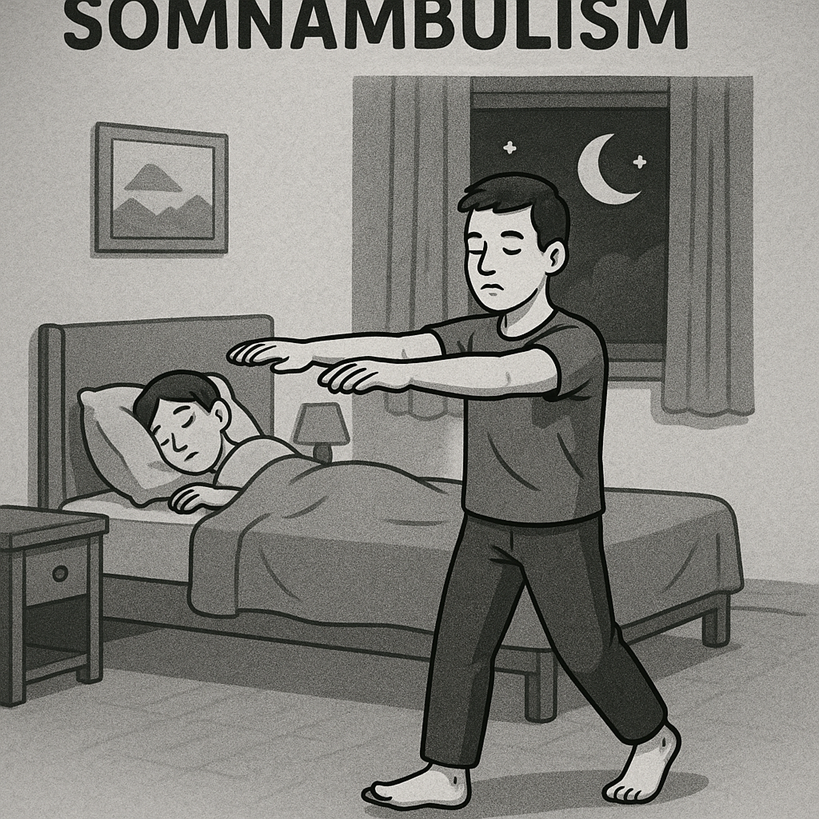
- Somnambulism, also known as sleepwalking or noctambulism, is a disorder characterized by walking or performing complex behaviors while asleep, typically during deep non-REM sleep.
- Common causes of sleepwalking include sleep deprivation, stress, fever, certain medications, genetics, and underlying sleep disorders like sleep apnea.
- Symptoms of somnambulism involve episodes of walking with open eyes, confusion during or after the episode, and limited or no memory of the event upon awakening.
- Conventional treatments focus on improving sleep hygiene, addressing underlying causes, ensuring safety during episodes, and, in some cases, the use of medication prescribed by healthcare professionals.
- Homeopathy offers various remedies aimed at reducing the frequency and intensity of sleepwalking, with individualized treatments often considered for children and adults alike.
- Hypnosis is explored as a complementary therapy to manage anxiety or stress-related triggers contributing to somnambulism, aiming to improve overall sleep quality.
- A holistic approach combining lifestyle changes, stress management, and both conventional and alternative therapies can enhance treatment outcomes for individuals experiencing sleepwalking.
The Enigmatic State of Somnambulism
Somnambulism, often cloaked in mystery and folklore, invites a closer inspection beyond its portrayal as mere nighttime wandering. This complex state emerges during non-REM sleep, typically in deep slow-wave stages, when your brain operates in an unusual hybrid mode—partially asleep, yet capable of complex actions like walking, talking, or even performing routine tasks. Such behaviors occur without conscious awareness, leaving you without recollection upon waking. The paradoxical nature of somnambulism challenges simple definitions and pushes you to understand it as a distinct dissociation between motor control and conscious experience.
Historically, somnambulism has been linked to superstition and fear, often misunderstood as sleepwalking caused by external influences or supernatural forces. Nowadays, science reveals it as a genuine neurological phenomenon influenced by genetics, stress, sleep deprivation, and even certain medications. Research shows approximately 4% of adults and up to 17% of children experience sleepwalking episodes, emphasizing its widespread yet varied presence in the population.
Defining Somnambulism: Beyond the Myths
Somnambulism is more than just the act of walking while asleep. You are engaging with a state where your body navigates physical space as your mind remains suspended in deep sleep, lacking the reflective awareness awakened states provide. This dissociation allows for complex behaviors—sometimes seemingly purposeful—that can range from innocuous wandering to performing elaborate tasks like dressing or rearranging objects. Not all episodes mimic the stereotypical image of a ‘nightwalker’ roaming blindly; instead, somnambulant actions can be surprisingly coordinated yet uncontrollable.
Many myths paint sleepwalkers as dangerous or unpredictable, but clinical understanding reframes this as a sleep disorder rooted in the brain’s arousal mechanisms malfunctioning during slow-wave sleep. Somnambulism is often episodic and tends to diminish with age, though it may persist or resurface in adulthood under stress or irregular sleep patterns. Identifying it correctly helps delineate genuine pathological sleepwalking from other nocturnal behaviors such as REM behavior disorder.
Recognizing the Spectrum of Sleepwalking Behaviors
The manifestations of sleepwalking span a wide behavioral spectrum. Beyond the classic image of walking about the house, you might find yourself carrying out everyday activities like eating, writing, or even leaving your home—often with no memory of these actions the following day. Some somnambulant episodes involve vocalizations, confusion, or compulsive tendencies, while others may be brief and less noticeable, such as sitting up abruptly or gesturing. Episodes typically last anywhere from seconds to thirty minutes, but the unpredictability can pose safety risks for you or those around you.
Understanding this diversity aids in tailoring effective interventions, whether conventional or holistic. For example, mild cases with infrequent episodes may benefit from improved sleep hygiene and stress management, while more severe or injurious behaviors might require medical evaluation and specific therapies like hypnosis or homeopathic remedies. Recognizing the broad behavioral range in somnambulism enriches your approach both to diagnosis and to customizing treatment plans suited to your unique sleep profile.
Sleepwalking behaviors exist on a continuum, making observation and reporting by family or roommates invaluable. Subtle signs such as nocturnal wandering without full ambulation, automatic behaviors performed with little awareness, or repeated episodes triggered by sleep deprivation highlight the need to consider the full spectrum when diagnosing and addressing somnambulism. Approaching the condition with this comprehensive perspective supports safer management and fosters better long-term outcomes.
The Intricate Web of Causes of Somnambulism
Your experience with somnambulism might feel mysterious, but the roots of sleepwalking are often tangled in a complex interplay of factors. Some individuals have a biological predisposition that makes them more susceptible, while others may see their episodes triggered by shifts in their environment or psychological stressors. The variability in these influences means no two cases look identical and your personal triggers might differ noticeably from someone else’s. Understanding the mix of causes can empower you to take steps toward reducing the frequency or intensity of your nocturnal wanderings.
Scientific studies have shown that somnambulism rarely stems from a single cause. Instead, it arises from how multiple elements interact in your body and mind, weaving a nuanced pattern that influences your sleep architecture. Certain medical conditions, lifestyle aspects, and even emotional states play defining roles. The relationships between these causes help explain why treatments, both conventional and holistic, often require a multi-faceted approach tailored to your unique situation.
Biological and Genetic Factors
A strong hereditary component underlies many cases of somnambulism. Research suggests that if you have a first-degree relative, such as a parent or sibling, who experiences sleepwalking, your risk increases by as much as tenfold. Genetic predispositions may affect how your brain regulates the transition between sleep stages, particularly slow-wave sleep, where interruptions can prompt sleepwalking. Abnormalities in neurotransmitter systems, such as imbalances in serotonin and dopamine pathways, are also implicated in the persistence of somnambulism.
Besides genetics, neurodevelopmental and neurological conditions, including sleep apnea and restless leg syndrome, can exacerbate sleepwalking episodes. The following biological factors are often observed in individuals prone to somnambulism:
- Family history of sleep disorders or parasomnias
- Delayed brain maturation affecting sleep regulation
- Coexisting neurological issues such as migraines or epilepsy
- Sleep fragmentation due to medical conditions
The intricate influence of these factors creates a foundation that can predispose you to nocturnal wandering, making it harder for your nervous system to maintain stable sleep cycles.
Environmental Triggers and Psychological Influences
The environment in which you sleep and the psychological landscape you carry daily often serve as catalysts for somnambulism episodes. Sleep deprivation, irregular sleep schedules, and exposure to noise or light can disrupt your natural sleep rhythms, increasing the likelihood of nocturnal activity. Emotional stress, anxiety disorders, and even post-traumatic stress disorder (PTSD) have all been linked to amplifying somnambulism events by activating heightened arousal during sleep transitions.
Alcohol consumption and certain medications, including sedatives and hypnotics, can also alter your brain’s normal sleep architecture, potentially triggering or worsening sleepwalking. In children, changes in routine such as starting school or family upheavals often precipitate episodes. Understanding your specific psychological and environmental triggers enables you to adopt changes that may lessen the frequency and severity of nightwalking episodes. The nuanced balance between these external and internal factors helps explain why therapeutic strategies often pair behavioral adjustments with medical or homeopathic remedies.
The Telltale Signs: Symptoms of Sleepwalking
Common Indicators of Somnambulism
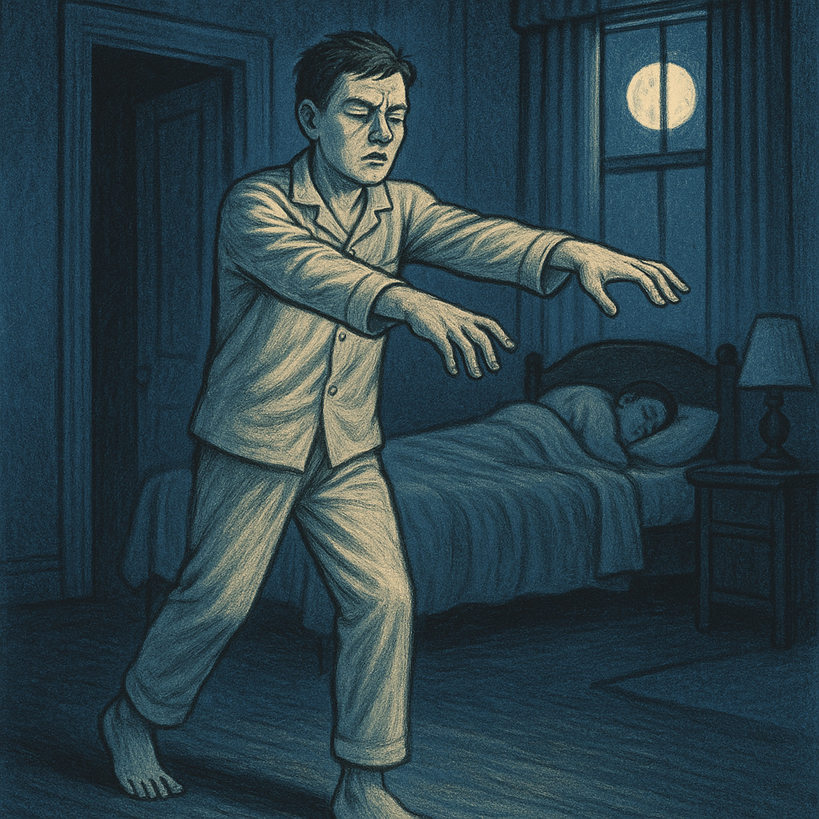
You might notice sleepwalking through behaviors that typically occur during deep non-REM sleep phases, often within the first few hours after falling asleep. Classic signs include sitting up suddenly in bed, walking around the room or even leaving the house, and performing routine tasks like dressing or opening cabinets, all without conscious awareness. These actions occur with glazed or unfocused eyes, and the sleepwalker usually returns to bed with no memory of the episode the next morning. Vocalizations such as mumbling, incoherent speech, or even shouting can sometimes accompany these episodes, adding to the complexity of somnambulism manifestations.
Physical indicators like increased heart rate or abnormal breathing patterns may be present during an episode, reflecting partial arousal from deep sleep. If you observe repeated occurrences, especially in children between ages 4 and 8 or adults under stress or medication, these patterns become more pronounced. Sleepwalkers often display clumsiness or an unusual lack of coordination during episodes, raising safety concerns as nighttime wandering can lead to injuries or accidents.
How to Differentiate Sleepwalking from Other Sleep Disorders
Sleepwalking shares some overlapping features with conditions like REM sleep behavior disorder (RBD), night terrors, and even nocturnal seizures, but subtle distinctions can help you tell them apart. For instance, sleepwalking episodes usually arise from deep non-REM sleep early in the night, unlike RBD, where behavior emerges during REM sleep, characterized by vivid dreams and more violent movements. Night terrors often involve intense fear and screaming, with the individual remaining inconsolable, whereas somnambulism involves relatively calm and goal-directed wandering. Diagnostic clues also include the absence of post-episode confusion in sleepwalking compared to the grogginess observed after night terrors.
Monitoring the timing, frequency, and nature of these nocturnal events allows a more precise identification. Video polysomnography remains the gold standard for differentiation, detecting brain wave patterns and muscle activity during episodes. Understanding these nuances ensures that you pursue appropriate intervention rather than mistaking sleepwalking for other disorders with quite different treatment protocols.
Close observation of your sleepwalker’s behaviors, combined with professional sleep studies, can further clarify distinctions. For example, unlike nocturnal seizures that might involve brief jerks or convulsions without complex movements, sleepwalking involves more purposeful ambulation and environmental interaction. Through comprehensive assessment, you can better tailor management strategies suited to the specific disorder affecting you or your family member.
When somnambulism begins to interfere with your daily life or causes injury risks, exploring conventional treatment options can provide significant relief. Medical professionals often focus on identifying potential underlying causes such as sleep disorders, medication effects, or neurological issues, ensuring a tailored approach rather than merely addressing symptoms. Prescription medications like benzodiazepines or certain antidepressants may be recommended, particularly in cases where sleepwalking episodes are frequent, dangerous, or resistant to behavioral interventions.
In addition to pharmacological treatments, regular follow-up appointments allow your healthcare provider to monitor progress and adjust therapies as needed. Sleep studies or polysomnography, can also provide insights into the severity of your somnambulism and its impact on sleep architecture, helping guide the best treatment path. These steps often serve as the foundation before integrating complementary or holistic modalities.
Medical Approaches: When to Seek Professional Help
You should consider consulting a medical specialist if your sleepwalking involves risky behaviors such as leaving the house, using appliances, or physical injuries. Episodes that increase in frequency or intensity, disrupt daytime functioning, or coincide with other sleep disturbances warrant professional evaluation. In children, persistent somnambulism beyond early adolescence or sudden onset alongside other neurological symptoms also signals the need for medical assessment.
Neurologists and sleep medicine experts typically conduct thorough assessments that may include detailed sleep histories, overnight monitoring, and neurological exams. Your doctor might explore associations with conditions like sleep apnea, restless leg syndrome, or epilepsy. Early intervention reduces the likelihood of accidents and helps uncover treatable triggers, enabling you to regain control over your sleep patterns more effectively.
Behavioral Strategies and Sleep Hygiene Practices
Adjusting your bedtime routine and environment can significantly reduce the frequency and severity of sleepwalking episodes. Establishing a consistent sleep schedule supports your body’s natural circadian rhythm, stabilizing deep sleep phases where somnambulism often occurs. Avoiding stimulants such as caffeine, nicotine, and heavy meals close to bedtime minimizes sleep disruption, which can trigger nightwalking episodes. Incorporating relaxing rituals—like reading or listening to calming music—may enhance the transition to restful sleep and lower stress levels that contribute to somnambulism.
Maintaining a safe sleep environment is also key. Removing sharp objects, locking doors and windows, and using motion sensors or alarms can prevent injuries and alert caregivers if an episode begins. Behavioral techniques like scheduled awakenings, where you gently rouse yourself 15-20 minutes before typical sleepwalking times, have shown effectiveness by interrupting the sleep cycle before an episode can manifest. These strategies often complement medical treatments, providing a multipronged approach to managing your condition.
Sleep hygiene and behavioral adjustments serve as foundational tools in controlling your somnambulism. By fostering habits that support uninterrupted, restorative sleep, you reduce the likelihood of triggers that provoke episode onset. Moreover, combining environmental modifications with cognitive-behavioral strategies can empower you to minimize disruptions and increase overall sleep quality over time.
Embracing Holistic and Alternative Therapies for Somnambulism
Exploring treatments beyond conventional medicine can offer valuable support in managing somnambulism. Holistic approaches often aim to address underlying stressors, improve sleep quality, and balance the nervous system, which are common contributors to sleepwalking episodes. Many find that combining lifestyle adjustments such as regular sleep schedules, stress reduction techniques, and environmental safety measures with alternative therapies creates a more comprehensive strategy. These integrative methods empower you to take an active role in your sleep health, potentially reducing the frequency and intensity of noctambulism events without relying solely on pharmaceutical interventions.
Alternative therapies frequently focus on treating the individual rather than just symptoms, which can be especially beneficial when somnambulism stems from varied origins like anxiety, childhood sleep patterns, or genetic predispositions. You may notice improvements in your overall well-being when holistic treatments such as homeopathy and hypnosis are incorporated alongside conventional care. This multifaceted approach can lead to longer-lasting outcomes by addressing both mind and body through noninvasive means.
Acupuncture Treatment for Sleepwalking

By addressing underlying problems, including stress, anxiety, and energetic imbalances that contribute to somnambulism, commonly known as sleepwalking, acupuncture may be a supplemental treatment for the disorder. It is believed to function by activating particular acupoints to restore equilibrium in the body’s flow of “qi,” or vital energy, which may enhance sleep quality and lessen episodes of sleepwalking.
A closer look at how acupuncture may treat somnambulism is provided below:
1. The Viewpoint of Traditional Chinese Medicine:
Sleepwalking is seen by Traditional Chinese Medicine (TCM) as an indication of an imbalance in the body’s qi, or energy flow.
By placing needles at particular acupoints, acupuncture seeks to reestablish this equilibrium by controlling the body’s yin and yang and possibly altering the flow of blood and qi.
2. How Sleep Disorders Are Treated with Acupuncture:
Acupuncture can affect neurotransmitters involved in sleep regulation, such as dopamine and GABA.
Additionally, it can lessen tension and anxiety, two prominent causes of sleepwalking.
Acupuncture attempts to treat the underlying causes of sleep issues to enhance overall sleep quality as well as reduce symptoms like sleepwalking.
3. Frequently Used Acupoints for Sleep Problems:
Yin Tang: This location, which is situated between the eyebrows, is thought to encourage calmness and prepare the mind for sleep.
Heart 7 (Shenmen): Located on the crease of the wrist, this spot is said to help with sleep and mental calmness.
Ren 17 (CV17): To encourage relaxation, massage this spot on the breastbone while inhaling deeply.
Zhaohai (KI6): Located on the inside of the ankle, this point can assist in controlling sleep and is connected to yang and water.
Sanyinjiao (SP6): Often utilized for a variety of emotional and sleep problems, this point on the inner leg intersects the spleen, liver, and kidney meridians.
Four places on top of the head are known as Sishencong (EX-HN1), and they are said to help induce peaceful slumber.
The Zusanli (ST36), which is situated beneath the knee, is thought to promote general health and may have an indirect impact on the quality of sleep.
Lianquan (CV23): This spot on the throat is thought to support yin, which is linked to serenity and relaxation.
4. Research on Acupuncture and Sleep:
In comparison to control groups, studies have demonstrated that acupuncture can enhance the quality of sleep, including aspects like overall sleep duration and efficiency.
According to some studies, acupuncture may help people with insomnia sleep better and feel better psychologically than sham acupuncture, which is a placebo treatment.
Although numerous studies have examined acupuncture for sleep disorders, further research is needed to fully understand the mechanisms behind its effectiveness and to determine the most effective acupuncture protocols for specific sleep issues, such as sleepwalking.
5. Safety and Things to Think About:
Although acupuncture is usually regarded as safe, it is crucial to receive treatment from a trained and authorized professional.
Bleeding or skin irritation are uncommon and typically moderate adverse effects.
Before starting therapy, people with certain issues, like bleeding disorders or pregnancy, should inform their acupuncturist.
Homeopathy’s Role in Treating Somnambulism
Homeopathic remedies for sleepwalking work by stimulating the body’s natural healing mechanisms, focusing on symptom patterns unique to each individual. You might be recommended substances like Stramonium, often used when sleepwalking involves fear or violent behavior, or Belladonna, suited for sudden waking with a disoriented state. These remedies are selected through detailed evaluations of sleepwalking characteristics, making homeopathy a personalized option especially attractive for children whose nervous systems are still developing.
In clinical experience, homeopathy has shown potential to reduce the frequency of noctambulism episodes over time by improving sleep architecture and calming nervous irritability. Practitioners often combine remedy prescriptions with advice on sleep hygiene and emotional balance. While scientific studies are limited, numerous case reports document marked improvement in somnambulant individuals treated homeopathically, highlighting a need for more research into its efficacy and mechanisms.
Homeopathic Remedies for Nightwalking

Sleepwalking issues have a lot of room for improvement with homeopathy. Natural, safe, and highly effective homeopathic remedies for this ailment are available. These are medications with a long half-life that can alleviate the underlying cause of your problem. Every case of sleepwalking is carefully evaluated to determine the most appropriate medication based on the symptoms the patient presents with. Here are a few of the most popular medications used to treat this illness. Before trying any of these, it’s recommended to see a homeopathic doctor for a proper diagnosis; they’re the ones who can prescribe the right dose based on a patient’s unique symptoms.
Natrum Muriaticum
People who get up in the middle of the night and spend much of their time sitting about will find this medication very helpful. In the midst of their nightly sobs, they can experience frightening dreams. They may also experience the additional symptom of talking while sleeping. They are also having trouble sleeping. They don’t feel revitalized when they wake up in the morning. Some people also report experiencing a severe headache first thing in the morning. Excessive lethargy and yawning occur frequently throughout the day.
Phosphorus
It is an additional helpful medication for these instances of somnambulism. When it’s necessary, it causes agitation and disrupts sleep at night. Those in need of it have terrifying nightmares. This is accompanied by frequent awakenings caused by fear. Crying, moaning, and limb jerking may occur when sleeping. Feeling drowsy all day long and as if sleep was incomplete is a common morning experience.
Kali Phosphoricum
As a medication, it works wonders for youngsters with somnambulism. Those that require it tend to be fidgety during sleeping and may even make noises like muttering, sobbing, moaning, or chatting. Even when they are sound asleep, they experience terrifying night terrors that cause them to wake up in a panic. They have trouble waking up in the mornings since they’re so drowsy and yawn excessively. Where it is needed, excessive fatigue could also be present.
Silicea
One more effective medication for somnambulism. Those that require it wake up in the middle of the night, go for a walk, and then fall back to sleep. They have trouble sleeping since their dreams are so full and they wake up often. Their nighttime chatter could be quite audible. They may also express concerns about having nightmares. Some other issues that people may experience when sleeping include snoring and jerking of the limbs. They dislike getting out of bed in the morning because they don’t feel refreshed. In cases where sleepwalking happens with the new or full moon, it is a special medication.
Kali Bromatum
This medication is great for youngsters who experience somnambulism. Children who are in need of it may also experience nightmares at night. Screaming themselves awake, they wake up and don’t recognize a soul. Additionally, they experience insomnia. They may also make noises like teeth grinding, sobbing, or groaning while they sleep. A nasty headache might hit them first thing in the morning.
Stramonium
When someone complains of sleepwalking, stramonium can be a helpful drug. Those in need of it often wake up in the middle of the night, or after midnight, bewildered. They can be looking terrified and fixated on something. While sleeping, they toss and turn or even wander around. Snoring, tossing and turning during the night, and restless sleep are additional symptoms that may accompany it. While you sleep, you may also hear snoring, laughing, or screaming.
Artemisia
The fresh root of the herb Artemisia Vulgaris, or wormwood, is used to make this medication. The compositae family includes this particular plant. When a person gets up in the middle of the night to get things done, it’s a good fit. Nothing from that night sticks with him when he wakes up. Aside from this, it is a top medication for treating epilepsy. This drug works well to treat epilepsy that occurs after experiencing sadness, fear, or a hit to the head.
Luna
Furthermore, it is an important medication for cases of somnambulism. Those who require it could experience terrifying dreams that jolt them awake. They experience sleepwalking and often wake up feeling like they didn’t get enough sleep the night before.
Zincum Metallicum
When a person’s sleepwalking is a result of pent-up emotions, this medication helps. The people who require it have trouble sleeping and wake up often. While they sleep, they might scream. They may experience nightmares accompanied by sobbing and babbling. Leg cramps can be so terrible that they can’t sleep at night. They are drowsy and sleepy during the day and have restless nights.
Ignatia
This medicinal remedy is made from the Ignatia Amara plant, which belongs to the loganiaceae family. People who have experienced injured pride, such as being disrespected, sometimes find themselves sleepwalking. They experience sleepwalking but have no recollection of it. Additionally, they may have a history of insomnia due to concerns, anxieties, sadness, or worried thoughts. They can have trouble falling asleep and wake up to sounds far away. They have a tendency to snore and be fidgety during the night.
The Potential of Hypnosis and Mindfulness Techniques for Treatment of Somnambulism
Clinical hypnosis offers a pathway to modify subconscious triggers that may precipitate episodes of nightwalking. By entering a relaxed, focused state, you can work with a trained hypnotherapist to uncover latent stress or unresolved emotions contributing to disrupted sleep patterns. Techniques such as suggestion therapy during hypnosis have helped patients create mental scripts that promote peaceful sleep and reinforce safe behaviors, reducing the occurrence of somnambulism.
Mindfulness practices complement hypnosis by enhancing your ability to regulate stress and cultivate present-moment awareness, both of which are linked to better sleep quality. Mindfulness meditation, particularly when practiced consistently, lowers cortisol levels and increases parasympathetic nervous system activity. These physiological changes help stabilize sleep cycles, making you less susceptible to involuntary nightwalking actions.
The integration of hypnosis with mindfulness meditation is gaining attention as a dual approach to managing sleepwalking. Hypnosis may address deep-seated psychological patterns, while mindfulness supports ongoing emotional regulation and relaxation, creating a synergistic effect. Emerging studies indicate that this combination not only reduces the frequency of noctambulism but also improves daytime functioning by alleviating residual fatigue and anxiety often experienced by sleepwalkers.
Conclusion
So, somnambulism, commonly known as sleepwalking, is a complex sleep disorder that affects your ability to stay fully conscious while performing activities during your sleep. Understanding the causes and symptoms of sleepwalking is vital for managing it effectively. Factors such as stress, sleep deprivation, and certain medications can trigger episodes, and recognizing these can help you take proactive steps to reduce occurrences. By being aware of your patterns and behaviors, you can better protect yourself and those around you from potential harm during an episode.
In terms of treatment, you have a variety of options ranging from conventional approaches like medication and behavioral therapy to holistic methods including homeopathy and hypnosis. These treatments aim to address both the symptoms and underlying causes of your sleepwalking. Consulting with a healthcare professional can help you determine the best course of action tailored to your specific needs. By combining awareness with appropriate treatment strategies, you can improve your sleep quality and reduce the frequency of sleepwalking episodes.
FAQ

Q: What is somnambulism or sleepwalking?
A: Somnambulism, commonly known as sleepwalking, is a disorder characterized by complex behaviors performed while in a state of partial arousal from deep sleep. Individuals may walk, talk, or carry out other activities without full awareness and typically do not remember the episode upon waking. It most often occurs during non-REM sleep, particularly in the first third of the night.
Q: What are the common causes or triggers of sleepwalking?
A: Sleepwalking can be triggered by various factors, including sleep deprivation, stress, fever, certain medications, and underlying sleep disorders such as sleep apnea. It may also have a genetic component, with a higher likelihood in individuals who have family members experiencing similar episodes.
Q: What symptoms indicate someone may be experiencing somnambulism?
A: Symptoms of sleepwalking include walking or performing tasks while asleep, difficulty waking the person during an episode, confusion or disorientation upon waking, and amnesia regarding the events that occurred. Episodes can range from simply sitting up in bed to more complex actions like moving around or leaving the house.
Q: What conventional treatments are available for managing sleepwalking?
A: Conventional treatments focus on safety and addressing underlying causes. These may include improving sleep hygiene, medication adjustments, treating stress or anxiety, and using sedative or antidepressant medications in persistent cases. In some instances, consultation with a sleep specialist is recommended for further evaluation.
Q: Are there effective homeopathic remedies for sleepwalking, especially in children?
A: Homeopathy offers several remedies aimed at reducing sleepwalking episodes by addressing individual symptoms and constitution. Remedies such as Stramonium, Opium, and Belladonna are sometimes used depending on the nature of the episodes. It is important to consult a qualified homeopathic practitioner to determine the most appropriate remedy, particularly for children.
Q: Can hypnosis be used as a treatment for sleepwalking?
A: Hypnosis has been explored as a complementary treatment option for some individuals with sleepwalking. It aims to reduce anxiety, improve sleep quality, and alter subconscious patterns that may contribute to episodes. While some patients report benefits, hypnosis should be conducted by a trained professional and is typically part of a broader treatment plan.
Q: What safety measures should be taken to protect someone who is prone to sleepwalking?
A: To ensure safety, it is recommended to secure the sleeping environment by locking doors and windows, removing sharp objects, installing alarms if needed, and avoiding high-risk activities before bedtime. Encouraging regular sleep patterns and managing stress can also help reduce episodes. Family members should avoid waking a sleepwalker abruptly, as this can cause confusion or agitation.
Holistic Treatment for Somnambulism in Philadelphia
At Viva Healthy Life Holistic Center, internationally recognized hypnotist and homeopath, medical doctor Victor Tsan has extensive experience in the treatment of sleepwalking. Dr. Tsan graduated from the most famous school of hypnosis in Europe (Royle Institute) and then was certified at the American School of Hypnosis in Biddeford, Maine. For more information and to schedule an appointment, contact us at (267) 403-3085 or use the widget below.
You must be logged in to post a comment.